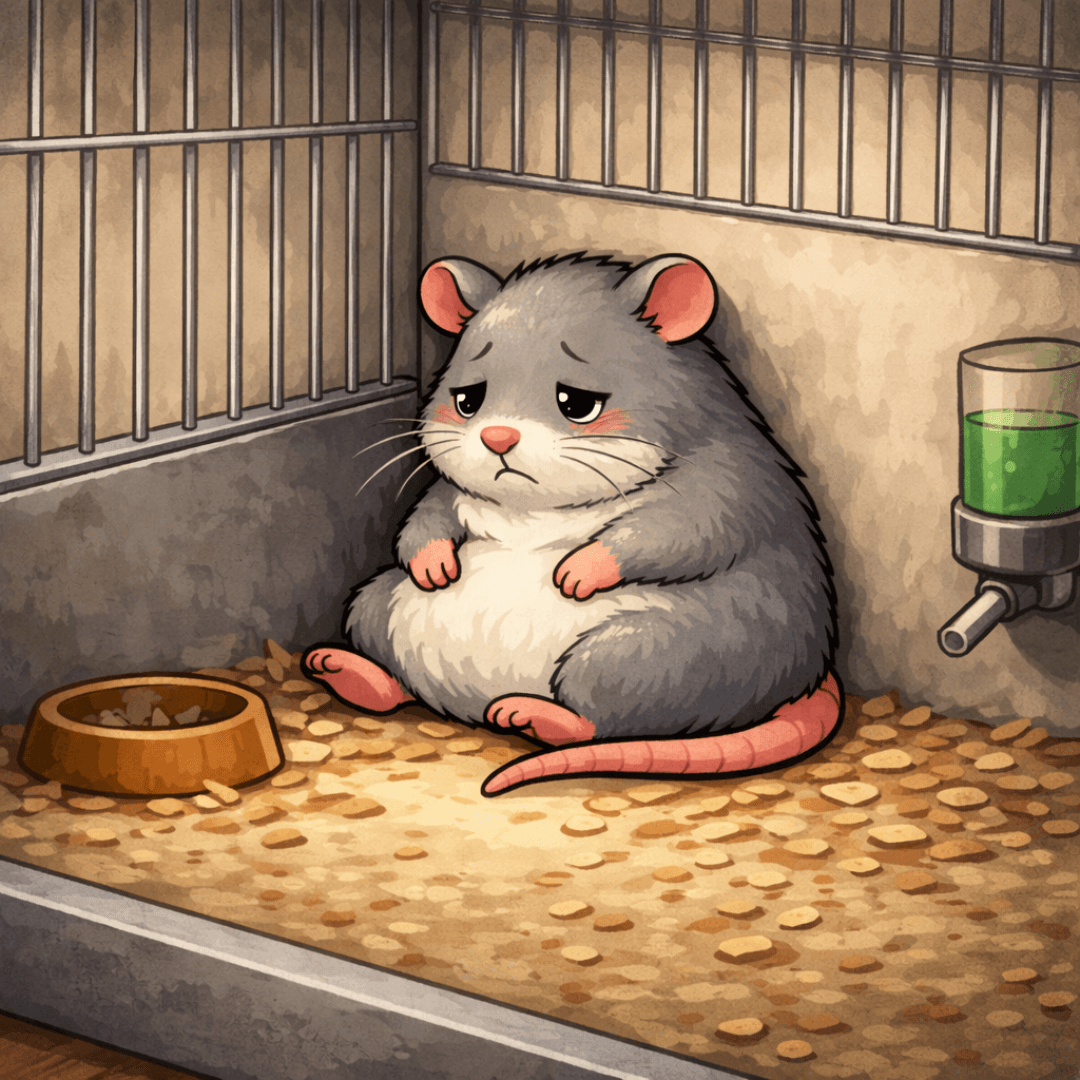
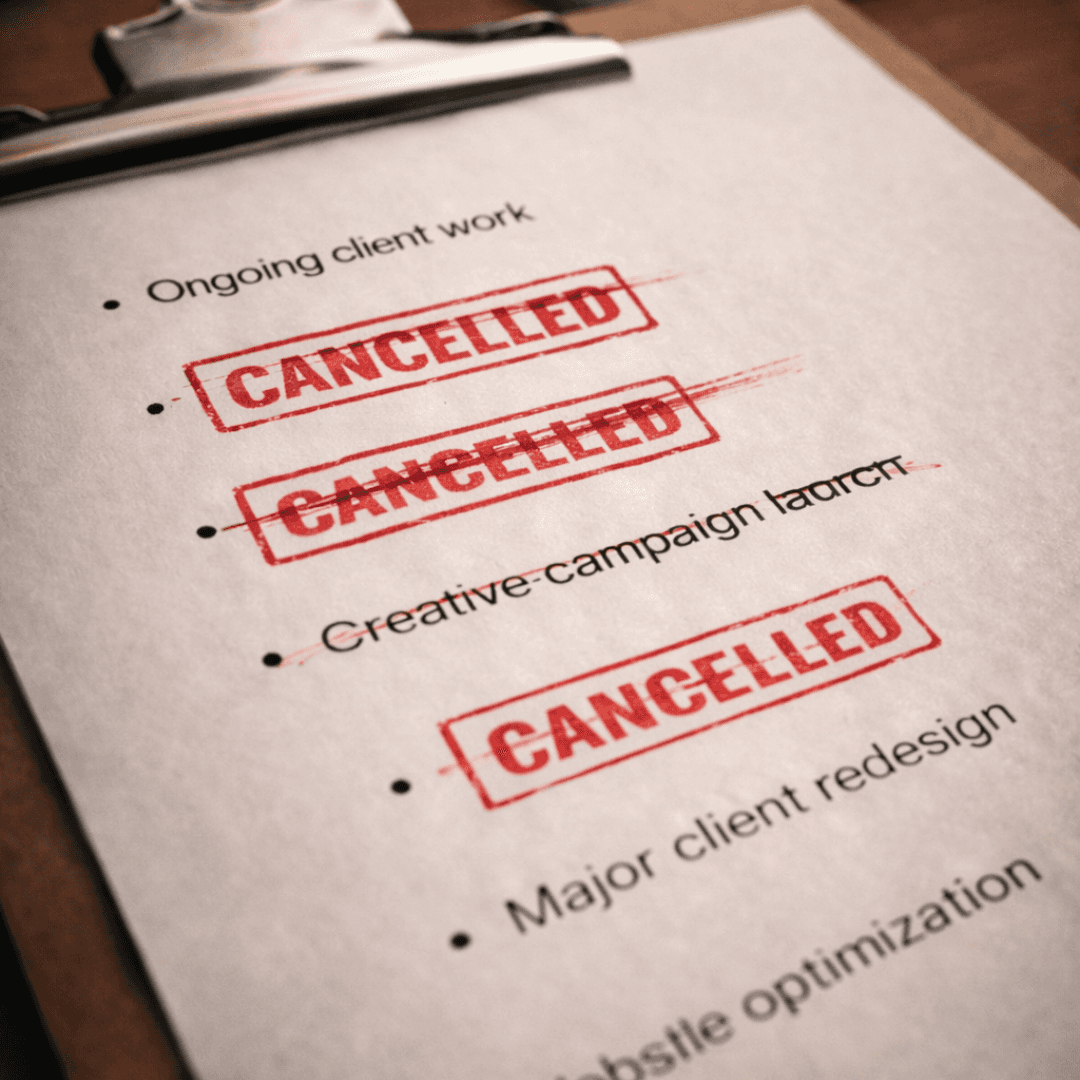
Burnout Is Sexy in Organizations - But for Freelancers, It’s a Walk of Shame
Burnout Is Sexy in Organizations - But for Freelancers, It’s a Walk of Shame
A Structural Framework for Understanding Freelance Burnout

Abstract
Burnout is widely recognized and openly discussed inside organizations - yet among freelancers, it unfolds in silence. While the psychological components of burnout are well established, the structure of freelance work creates a fundamentally different context - one in which strain accumulates quietly, goes largely unnoticed, and is rarely acknowledged or validated.
Drawing on existing research, this article argues that burnout among freelancers can be understood as a distinct occupational configuration, shaped not by individual shortcomings but by five structural conditions embedded in modern independent work: remote digital environments, built-in professional loneliness, boundary collapse, continuous self-management, and chronic uncertainty.
Integrating recent empirical findings with established stress theories, the article introduces the Freelance Five - a framework that brings coherence to scattered evidence and offers a more precise language for understanding burnout in independent work.
The goal is to offer a clearer structural lens for understanding burnout in independent work - and to lay the groundwork for more accurate recognition, language, and support.
Table of Contents
Introduction
What Current Research Tells Us
What Burnout Really Is
Organizational vs. Freelance Burnout
The Freelance Five: A Structural Framework
Remote Work as the Default Setting
Built-In Professional Loneliness
Blurred Boundaries
Constant Self-Management
Chronic Uncertainty
Why Freelance Burnout Feels Like a “Walk of Shame”
Freelance Burnout as a Distinct Occupational Configuration
Conclusion
1. Introduction
Burnout has become a socially recognized and institutionally supported phenomenon in organizational life. Inside companies, burnout is visible: it activates HR systems, triggers managerial concern, and is met with structured responses. An exhausted employee is seen, named, and supported.
Freelancers, however, operate in a profoundly different psychological and structural reality. Their burnout unfolds quietly, privately, and without colleagues, supervisors, or institutional frameworks to witness it. The result is a form of exhaustion that feels less legitimate - and far more shameful.
This article argues that burnout among freelancers can be understood as a distinct occupational configuration, not because the syndrome itself differs, but because the environment in which it emerges is structurally unique. The article introduces the Freelance Five, a model that synthesizes core structural conditions shaping burnout in independent work.
2. What Current Research Tells Us
Although burnout among freelancers remains understudied compared to burnout in traditional organizations, an emerging body of research has begun to map the psychological and structural vulnerabilities associated with independent work. Across quantitative, qualitative, and longitudinal designs, a consistent picture is taking shape: freelancers experience elevated emotional strain, reduced well-being, and chronic instability that interacts with their work structure in unique ways.
A recent large-scale study of 1,138 freelancers in Bulgaria (Ianakiev & Medneva, 2025) found notably high levels of emotional exhaustion and depersonalization, with over 40% of respondents reporting significant exhaustion. Importantly, income instability emerged as a strong predictor of these symptoms - highlighting the central role of financial precarity in the burnout experience of freelancers. These findings align with longitudinal work from Sweden (Bernhard-Oettel et al., 2024), which showed that fluctuations in business resources and financial security over time were associated with deteriorating mental-health trajectories among self-employed workers, including increased stress, worry, and reduced overall well-being.
Qualitative research further deepens this picture. A study of solo self-employed workers in Canada (Khan, 2024) illustrates how chronic precarity, persistent stress, disrupted recovery cycles, and sleep disturbances shape daily life for freelancers. Participants described physical fatigue, emotional strain, and a sense of being continuously “on alert” - findings that echo theoretical models of resource depletion and boundary erosion. Evidence from Germany (Hensel et al., 2024) adds that self-employed workers often report high work demands, limited access to organizational support structures, and frequent difficulty detaching from work - all factors associated with poorer psychological outcomes.
Additional insight comes from a 2022 national survey of UK gig workers (Wang, Li & Coutts, 2022), which found that loneliness and financial precarity were among the strongest predictors of reduced life satisfaction and poorer mental health. Although this study did not assess burnout directly, its findings reinforce a pattern observed across the literature: structural instability, professional isolation, and blurred work-life boundaries contribute to chronic psychological strain among independent workers.
Taken together, these studies reveal important but fragmented insights. They highlight elevated exhaustion, instability, loneliness, and impaired recovery - but they do not yet offer an integrative framework for understanding why burnout manifests differently in freelance work. This article builds on these empirical findings to propose a structural model - the Freelance Five - that brings coherence to the existing evidence and clarifies the mechanisms through which burnout develops in the independent workforce.
3. What Burnout Really Is
Burnout is defined in the World Health Organization’s ICD-11 as “a syndrome resulting from chronic workplace stress that has not been successfully managed.” Although this definition is concise, it reflects decades of research positioning burnout as a work-related, demand-driven erosion of emotional and cognitive resources.
The dominant framework developed by Maslach and colleagues conceptualizes burnout as comprising three interrelated dimensions: emotional exhaustion, the core experience of being drained by work; depersonalization or cynicism, a distancing from clients, tasks, or one’s professional role; and reduced professional efficacy, the sense that one’s capacity, impact, or competence has declined. These components interact over time, forming a progressive pattern rather than a sudden state.
Contemporary stress theories deepen this understanding. The Job Demands–Resources (JD-R) model proposes that burnout emerges when prolonged demands outweigh the resources available to meet them-whether those demands are emotional, cognitive, relational, or logistical. Conservation of Resources (COR) theory similarly emphasizes that individuals strive to maintain, protect, and build resources; when resources are depleted repeatedly or unpredictably, stress escalates into burnout. These models clarify that burnout is not a matter of weak coping but a predictable outcome of chronic imbalance.
Critically, nothing in these frameworks restricts burnout to traditional employment. The psychological mechanisms-exhaustion, detachment, diminished efficacy-apply to any work context characterized by continued pressure and insufficient replenishment.
Where freelancers differ is not in what burnout is, but in the structural environment in which these mechanisms unfold. Freelancers experience the same psychological processes identified by WHO, Maslach, JD-R, and COR-yet they do so within a work design that amplifies demands, reduces buffers, and obscures early warning signs. The next sections examine why these conditions make burnout among freelancers not merely common, but structurally embedded.
4. Organizational vs. Freelance Burnout
Burnout is a recognized occupational phenomenon across work settings. Yet the way it is experienced, interpreted, and managed depends heavily on the structure in which it unfolds. While organizational and freelance workers may share the same psychological syndrome, the environments surrounding that syndrome differ in ways that fundamentally shape its visibility and meaning.
Burnout in Organizations: A Visible and Buffered Experience
Within organizations, burnout is embedded in a social and institutional context that makes strain observable and, at least in principle, actionable. Supervisors monitor changes in behavior and performance, colleagues mirror distress through everyday interactions, and HR systems track indicators such as absenteeism, workload imbalance, and turnover risk. Formal resources - including wellbeing programs, workload adjustments, and temporary leave - provide additional layers of containment.
This ecosystem does not eliminate burnout, but it contextualizes it. Organizational burnout is often interpreted as a response to excessive demands, a consequence of overcommitment, or a legitimate occupational risk requiring coordinated response. Even when support is imperfect, burnout is rarely experienced in isolation. It is socially acknowledged, structurally recognized, and buffered by shared responsibility.
Burnout in Freelance Work: Structurally Invisible and Individually Carried
Freelancers experience the same psychological processes - exhaustion, cynicism, and reduced efficacy - but within a work design that offers no comparable witnesses, buffers, or institutional mirrors. Independent work typically unfolds without colleagues who can notice early warning signs, managers who can intervene, or systems that flag overload. There is no shared workspace in which distress can be reflected back, and no protected mechanisms for rest or recovery.
As a result, burnout in freelance work is structurally invisible: it occurs, but nothing in the environment registers it. Strain accumulates privately, without external validation or interruption, and is carried almost entirely by the individual.
Autonomy, Invisibility, and the Internalization of Strain
This invisibility is intensified by the cultural narrative surrounding freelancing, which emphasizes autonomy, choice, and self-direction. When burnout emerges within this narrative, it often produces cognitive dissonance: if work is self-chosen and self-managed, exhaustion is easily interpreted as personal failure rather than structural strain.
From the perspective of Conservation of Resources theory, the absence of social buffering further amplifies this effect. When resource loss occurs without external acknowledgment or support, individuals are more likely to internalize responsibility for that loss. In freelance work, there are few natural checkpoints where strain can be named by others. Silence becomes the default, and burnout is managed privately, often accompanied by shame, self-blame, and delayed help-seeking.
Together, structural invisibility, autonomy mythology, and economic precarity create a psychological ecosystem in which burnout is not only harder to detect, but harder to legitimize. Understanding this contrast between organizational and freelance contexts is essential for explaining why burnout in independent work feels confusing, isolating, and deeply personal - and why existing organizational models alone are insufficient.
The next section introduces a structural framework designed to account for these differences: the Freelance Five.
5. The Freelance Five: Five Structural Conditions That Shape Burnout in Independent Work
Burnout among freelancers follows the same psychological mechanisms identified in occupational stress research, yet it unfolds within a work structure that differs fundamentally from organizational employment. To account for this difference, a framework is needed that captures not isolated stressors, but the recurring structural conditions embedded in independent work itself.
Drawing on established stress theories, empirical research on remote and self-employed work, and patterns observed across freelance practice, this article proposes the Freelance Five: five structural conditions that consistently shape how burnout develops in independent work. These conditions arise from the structure of independent work itself. They are features of how freelance work is organized, experienced, and sustained over time.
1. Remote Digital Work as the Default Setting
For freelancers, remote digital work is not a temporary arrangement or a negotiated benefit - it is the default context in which work takes place. This environment is characterized by continuous screen-based engagement, fragmented communication, and limited sensory or social variation. The absence of physical transitions between work and non-work settings disrupts psychological detachment and recovery, keeping cognitive systems persistently activated. Over time, this creates conditions in which strain is easily accumulated and difficult to release.
2. Built-In Professional Loneliness
Freelancers typically operate without colleagues who share daily work processes, observe changes in functioning, or provide informal validation. This professional solitude is not merely an emotional state but a structural absence of social mirrors within the work environment. Without peers to normalize difficulty or signal overload, strain remains unreflected and privately managed. Professional loneliness thus reduces early detection of burnout and intensifies the tendency to internalize stress.
3. Blurred Physical and Psychological Boundaries
In freelance work, the boundaries that traditionally separate work from non-work are often weak, inconsistent, or entirely absent. There is rarely a clear beginning or end to the workday, no spatial separation between professional and personal roles, and few external cues that authorize disengagement. This boundary collapse interferes with recovery processes, sustains physiological arousal, and fosters persistent feelings of obligation and guilt around rest.
4. Continuous Self-Management
Freelancers are required to perform not only the core professional task but also the full range of organizational functions that would otherwise be distributed across roles: planning, prioritization, client management, pricing, marketing, financial tracking, and emotional regulation. This constant self-management creates a sustained executive-function load that compounds primary work demands. Burnout in this context arises not only from doing too much work, but from continuously managing work without relief.
5. Chronic Uncertainty
Unlike episodic stressors, uncertainty in freelance work is ongoing and ambient. Income instability, fluctuating workloads, unpredictable timelines, and unclear future prospects create a persistent sense of risk. This chronic uncertainty destabilizes psychological resources by keeping the nervous system in a prolonged state of alert. Over time, it erodes the sense of safety required for recovery, planning, and sustained engagement.
Individually, each of these conditions can be navigated. Together, they form a high-demand, low-buffer work environment in which burnout becomes structurally likely rather than exceptional. The sections that follow examine each condition in greater depth, before returning to their combined psychological and occupational consequences.
6. Why Freelance Burnout Feels Like a “Walk of Shame”
Shame in freelance burnout does not arise in a vacuum. It emerges at the intersection of three well-established psychological mechanisms: structural invisibility, secrecy, and stigma. When burnout develops inside organizations, it is witnessed, mirrored, and validated. But in freelance work, the absence of observers turns distress into a private event. Without colleagues, supervisors, or institutional systems to acknowledge strain, freelancers become what scholars of secrecy call “self-contained witnesses” - both the holder and the keeper of their own difficulties.
Research on secrecy demonstrates that withholding personal struggle, especially when one believes it “should not be seen,” increases cognitive load, emotional strain, and social disconnection (Pennebaker, 1990; Lane & Wegner, 1995). Stigma theory further shows that when a burden is concealable but socially risky to disclose, individuals engage in vigilance, self-monitoring, and internal attributions of fault (Goffman, 1963). In freelance work, where economic precarity and reputation maintenance are constant undercurrents, disclosure carries real potential costs - heightening the motivation to hide distress and deepening the emotional toll of doing so.
In this sense, burnout in freelance work becomes a concealed condition: structurally invisible, personally managed, and emotionally unanchored. Without witnesses, acknowledgment, or a shared professional language for distress, freelancers often interpret exhaustion not as a predictable outcome of structural conditions but as a personal inadequacy.
Against this backdrop, several recurring expressions of shame emerge in the lived experience of independent workers. One form appears in relationships with clients, where the need to slow down, request extensions, or signal overload feels professionally risky. In the absence of organizational protections, even ordinary human limits become potential threats to future income or perceived reliability, generating a sense of failure for not meeting internalized standards of constant availability and performance.
Another form of shame arises in the private sphere, particularly within families or partnerships. Here, inconsistent income, fluctuating workload, and emotional fatigue can feel difficult to justify or explain. Freelancers often conceal the instability inherent to their work to avoid burdening others, creating a tension between the appearance of control and the internal reality of strain.
Shame also surfaces in comparison with friends or peers who work in more stable, traditional employment contexts. Predictable career paths, fixed salaries, and institutional scaffolding create benchmarks against which freelancers may measure themselves unfavorably. The contrast between external expectations and internal experience can amplify self-doubt, particularly during periods of professional uncertainty.
Within the freelance community itself, shame may arise from the perception that others are coping better, managing more, or succeeding more visibly. Because freelance distress occurs in private, social comparisons are built on curated glimpses rather than shared realities. The fear of seeming less capable or less resilient fosters further concealment, reinforcing the secrecy cycle.
Finally, there is the inward-facing shame - perhaps the most profound - rooted in the belief that one "should have figured this out by now." This form reflects not situational difficulty but a deeper self-evaluation: the sense that struggling is evidence of personal inadequacy rather than a response to structural demands. In the absence of external mirrors to normalize or contextualize the experience, this internal shame becomes self-sustaining.
Together, these dynamics reveal that shame in freelance burnout is not a by-product of individual fragility but a predictable psychological response to a work structure that misaligns responsibility, visibility, and vulnerability. The more invisible the struggle, the more intensely it is attributed inward - turning burnout from a structural outcome into a private judgment.
7. Freelance Burnout as a Distinct Occupational Configuration
Freelance burnout can be understood as a distinct occupational configuration: a pattern of exhaustion that arises not from individual failure but from five structural conditions of independent work.
These conditions - remote digital environments, professional loneliness, boundary collapse, continuous self-management, and chronic uncertainty - interact to create a high-demand, low-buffer ecosystem.
Economic exposure intensifies this structure: rest becomes income loss, disclosure can jeopardize client trust, and the absence of institutional protection forces freelancers to manage distress alone.
Seeing freelance burnout through this structural lens reframes it from a private struggle into a predictable outcome of work design.
8. Conclusion
Burnout in organizations is visible, named, and supported.
Burnout in freelance work remains silent - structurally reinforced and often wrapped in shame.
The Freelance Five offers a coherent way to understand how independent work shapes exhaustion differently, and why existing organizational models cannot fully explain freelancers’ experience.
Recognizing these structural conditions matters.
It reduces misplaced self-blame, enables more accurate identification, and opens the door to better prevention, support, and policy.
Freelancers are a central force in the modern economy.
Our psychological frameworks must evolve to match the realities of how people work today.
References
Ashforth, B. E., Kreiner, G. E., & Fugate, M. (2000).
All in a day’s work: Boundaries and micro role transitions. Academy of Management Review, 25(3), 472–491. https://doi.org/10.5465/amr.2000.3363315
Bakker, A. B., & Demerouti, E. (2007).
The Job Demands–Resources model: State of the art. Journal of Managerial Psychology, 22(3), 309–328. https://doi.org/10.1108/02683940710733115
Barber, L. K., & Santuzzi, A. M. (2015).
Please respond ASAP: Workplace telepressure and employee recovery. Journal of Occupational Health Psychology, 20(2), 172–189. https://doi.org/10.1037/a0038278
Bernhard-Oettel, C., Bergman, L. E., Leineweber, C., & Toivanen, S. (2024).
Flourish, fight or flight: Health in self-employment over time – Associations with individual and business resources. International Archives of Occupational and Environmental Health, 97(3), 263–278. https://doi.org/10.1007/s00420-023-02041-z
Goffman, E. (1963). Stigma: Notes on the management of spoiled identity. Prentice-Hall.
Hensel, S., Balderjahn, I., & Seeber, I. (2024).
Stressors and resources of self-employed workers: A qualitative analysis of work characteristics and health. Work, 79(1), 121–136. https://doi.org/10.3233/WOR-210030
Hobfoll, S. E. (1989).
Conservation of resources: A new attempt at conceptualizing stress. American Psychologist, 44(3), 513–524. https://doi.org/10.1037/0003-066X.44.3.513
Hobfoll, S. E. (2001).
The influence of culture, community, and the nested‐self in the stress process: Advancing conservation of resources theory. Applied Psychology, 50(3), 337–421. https://doi.org/10.1111/1464-0597.00062
Ianakiev, Y., & Medneva, T. (2025).
Influence of work environment factors on burnout syndrome among freelancers. Psychiatry International, 6(3), 95. https://doi.org/10.3390/psychiatryint6030095
Karr-Wisniewski, P., & Lu, Y. (2010).
When more is too much: Operationalizing technology overload and exploring its impact on knowledge-worker productivity. Computers in Human Behavior, 26(5), 1061–1072. https://doi.org/10.1016/j.chb.2010.03.008
Khan, T. H. (2024).
Examining the health and wellness of solo self-employed workers through narratives of precarity: A qualitative study. Qualitative Research in Organizations and Management. Advance online publication. https://doi.org/10.1108/QROM-07-2023-2324
(Open-access version: https://pmc.ncbi.nlm.nih.gov/articles/PMC10916321/)
Lane, J. D., & Wegner, D. M. (1995).
The cognitive consequences of secrecy. Journal of Personality and Social Psychology, 69(2), 237–253. https://doi.org/10.1037/0022-3514.69.2.237
Maslach, C., & Leiter, M. P. (2016).
Burnout. In G. Fink (Ed.), Stress: Concepts, Cognition, Emotion, and Behavior (pp. 351–357). Academic Press. https://doi.org/10.1016/B978-0-12-800951-2.00044-3
Maslach, C., Schaufeli, W. B., & Leiter, M. P. (2001).
Job burnout. Annual Review of Psychology, 52, 397–422. https://doi.org/10.1146/annurev.psych.52.1.397
Misra, S., & Stokols, D. (2012).
Psychological and health outcomes of perceived information overload. Environment and Behavior, 44(6), 737–759. https://doi.org/10.1177/0013916511404408
Pennebaker, J. W. (1990).
Opening up: The healing power of expressing emotions. Guilford Press.
Sonnentag, S., & Fritz, C. (2015).
Recovery from job stress: The stressor–detachment model as an integrative framework. Journal of Organizational Behavior, 36(S1), S72–S103. https://doi.org/10.1002/job.1924
Wang, S., Li, L. Z., & Coutts, A. (2022).
National survey of mental health and life satisfaction of gig workers: The role of loneliness and financial precarity. BMJ Open, 12(12), e066389. https://doi.org/10.1136/bmjopen-2022-066389
Wood, A. J., Graham, M., Lehdonvirta, V., & Hjorth, I. (2019).
Good gig, bad gig: Autonomy and algorithmic control in the global gig economy. Work, Employment and Society, 33(1), 56–75. https://doi.org/10.1177/0950017018785611
World Health Organization. (2019).
Burn-out an “occupational phenomenon”: International Classification of Diseases (ICD-11). https://icd.who.int
Abstract
Burnout is widely recognized and openly discussed inside organizations - yet among freelancers, it unfolds in silence. While the psychological components of burnout are well established, the structure of freelance work creates a fundamentally different context - one in which strain accumulates quietly, goes largely unnoticed, and is rarely acknowledged or validated.
Drawing on existing research, this article argues that burnout among freelancers can be understood as a distinct occupational configuration, shaped not by individual shortcomings but by five structural conditions embedded in modern independent work: remote digital environments, built-in professional loneliness, boundary collapse, continuous self-management, and chronic uncertainty.
Integrating recent empirical findings with established stress theories, the article introduces the Freelance Five - a framework that brings coherence to scattered evidence and offers a more precise language for understanding burnout in independent work.
The goal is to offer a clearer structural lens for understanding burnout in independent work - and to lay the groundwork for more accurate recognition, language, and support.
Table of Contents
Introduction
What Current Research Tells Us
What Burnout Really Is
Organizational vs. Freelance Burnout
The Freelance Five: A Structural Framework
Remote Work as the Default Setting
Built-In Professional Loneliness
Blurred Boundaries
Constant Self-Management
Chronic Uncertainty
Why Freelance Burnout Feels Like a “Walk of Shame”
Freelance Burnout as a Distinct Occupational Configuration
Conclusion
1. Introduction
Burnout has become a socially recognized and institutionally supported phenomenon in organizational life. Inside companies, burnout is visible: it activates HR systems, triggers managerial concern, and is met with structured responses. An exhausted employee is seen, named, and supported.
Freelancers, however, operate in a profoundly different psychological and structural reality. Their burnout unfolds quietly, privately, and without colleagues, supervisors, or institutional frameworks to witness it. The result is a form of exhaustion that feels less legitimate - and far more shameful.
This article argues that burnout among freelancers can be understood as a distinct occupational configuration, not because the syndrome itself differs, but because the environment in which it emerges is structurally unique. The article introduces the Freelance Five, a model that synthesizes core structural conditions shaping burnout in independent work.
2. What Current Research Tells Us
Although burnout among freelancers remains understudied compared to burnout in traditional organizations, an emerging body of research has begun to map the psychological and structural vulnerabilities associated with independent work. Across quantitative, qualitative, and longitudinal designs, a consistent picture is taking shape: freelancers experience elevated emotional strain, reduced well-being, and chronic instability that interacts with their work structure in unique ways.
A recent large-scale study of 1,138 freelancers in Bulgaria (Ianakiev & Medneva, 2025) found notably high levels of emotional exhaustion and depersonalization, with over 40% of respondents reporting significant exhaustion. Importantly, income instability emerged as a strong predictor of these symptoms - highlighting the central role of financial precarity in the burnout experience of freelancers. These findings align with longitudinal work from Sweden (Bernhard-Oettel et al., 2024), which showed that fluctuations in business resources and financial security over time were associated with deteriorating mental-health trajectories among self-employed workers, including increased stress, worry, and reduced overall well-being.
Qualitative research further deepens this picture. A study of solo self-employed workers in Canada (Khan, 2024) illustrates how chronic precarity, persistent stress, disrupted recovery cycles, and sleep disturbances shape daily life for freelancers. Participants described physical fatigue, emotional strain, and a sense of being continuously “on alert” - findings that echo theoretical models of resource depletion and boundary erosion. Evidence from Germany (Hensel et al., 2024) adds that self-employed workers often report high work demands, limited access to organizational support structures, and frequent difficulty detaching from work - all factors associated with poorer psychological outcomes.
Additional insight comes from a 2022 national survey of UK gig workers (Wang, Li & Coutts, 2022), which found that loneliness and financial precarity were among the strongest predictors of reduced life satisfaction and poorer mental health. Although this study did not assess burnout directly, its findings reinforce a pattern observed across the literature: structural instability, professional isolation, and blurred work-life boundaries contribute to chronic psychological strain among independent workers.
Taken together, these studies reveal important but fragmented insights. They highlight elevated exhaustion, instability, loneliness, and impaired recovery - but they do not yet offer an integrative framework for understanding why burnout manifests differently in freelance work. This article builds on these empirical findings to propose a structural model - the Freelance Five - that brings coherence to the existing evidence and clarifies the mechanisms through which burnout develops in the independent workforce.
3. What Burnout Really Is
Burnout is defined in the World Health Organization’s ICD-11 as “a syndrome resulting from chronic workplace stress that has not been successfully managed.” Although this definition is concise, it reflects decades of research positioning burnout as a work-related, demand-driven erosion of emotional and cognitive resources.
The dominant framework developed by Maslach and colleagues conceptualizes burnout as comprising three interrelated dimensions: emotional exhaustion, the core experience of being drained by work; depersonalization or cynicism, a distancing from clients, tasks, or one’s professional role; and reduced professional efficacy, the sense that one’s capacity, impact, or competence has declined. These components interact over time, forming a progressive pattern rather than a sudden state.
Contemporary stress theories deepen this understanding. The Job Demands–Resources (JD-R) model proposes that burnout emerges when prolonged demands outweigh the resources available to meet them-whether those demands are emotional, cognitive, relational, or logistical. Conservation of Resources (COR) theory similarly emphasizes that individuals strive to maintain, protect, and build resources; when resources are depleted repeatedly or unpredictably, stress escalates into burnout. These models clarify that burnout is not a matter of weak coping but a predictable outcome of chronic imbalance.
Critically, nothing in these frameworks restricts burnout to traditional employment. The psychological mechanisms-exhaustion, detachment, diminished efficacy-apply to any work context characterized by continued pressure and insufficient replenishment.
Where freelancers differ is not in what burnout is, but in the structural environment in which these mechanisms unfold. Freelancers experience the same psychological processes identified by WHO, Maslach, JD-R, and COR-yet they do so within a work design that amplifies demands, reduces buffers, and obscures early warning signs. The next sections examine why these conditions make burnout among freelancers not merely common, but structurally embedded.
4. Organizational vs. Freelance Burnout
Burnout is a recognized occupational phenomenon across work settings. Yet the way it is experienced, interpreted, and managed depends heavily on the structure in which it unfolds. While organizational and freelance workers may share the same psychological syndrome, the environments surrounding that syndrome differ in ways that fundamentally shape its visibility and meaning.
Burnout in Organizations: A Visible and Buffered Experience
Within organizations, burnout is embedded in a social and institutional context that makes strain observable and, at least in principle, actionable. Supervisors monitor changes in behavior and performance, colleagues mirror distress through everyday interactions, and HR systems track indicators such as absenteeism, workload imbalance, and turnover risk. Formal resources - including wellbeing programs, workload adjustments, and temporary leave - provide additional layers of containment.
This ecosystem does not eliminate burnout, but it contextualizes it. Organizational burnout is often interpreted as a response to excessive demands, a consequence of overcommitment, or a legitimate occupational risk requiring coordinated response. Even when support is imperfect, burnout is rarely experienced in isolation. It is socially acknowledged, structurally recognized, and buffered by shared responsibility.
Burnout in Freelance Work: Structurally Invisible and Individually Carried
Freelancers experience the same psychological processes - exhaustion, cynicism, and reduced efficacy - but within a work design that offers no comparable witnesses, buffers, or institutional mirrors. Independent work typically unfolds without colleagues who can notice early warning signs, managers who can intervene, or systems that flag overload. There is no shared workspace in which distress can be reflected back, and no protected mechanisms for rest or recovery.
As a result, burnout in freelance work is structurally invisible: it occurs, but nothing in the environment registers it. Strain accumulates privately, without external validation or interruption, and is carried almost entirely by the individual.
Autonomy, Invisibility, and the Internalization of Strain
This invisibility is intensified by the cultural narrative surrounding freelancing, which emphasizes autonomy, choice, and self-direction. When burnout emerges within this narrative, it often produces cognitive dissonance: if work is self-chosen and self-managed, exhaustion is easily interpreted as personal failure rather than structural strain.
From the perspective of Conservation of Resources theory, the absence of social buffering further amplifies this effect. When resource loss occurs without external acknowledgment or support, individuals are more likely to internalize responsibility for that loss. In freelance work, there are few natural checkpoints where strain can be named by others. Silence becomes the default, and burnout is managed privately, often accompanied by shame, self-blame, and delayed help-seeking.
Together, structural invisibility, autonomy mythology, and economic precarity create a psychological ecosystem in which burnout is not only harder to detect, but harder to legitimize. Understanding this contrast between organizational and freelance contexts is essential for explaining why burnout in independent work feels confusing, isolating, and deeply personal - and why existing organizational models alone are insufficient.
The next section introduces a structural framework designed to account for these differences: the Freelance Five.
5. The Freelance Five: Five Structural Conditions That Shape Burnout in Independent Work
Burnout among freelancers follows the same psychological mechanisms identified in occupational stress research, yet it unfolds within a work structure that differs fundamentally from organizational employment. To account for this difference, a framework is needed that captures not isolated stressors, but the recurring structural conditions embedded in independent work itself.
Drawing on established stress theories, empirical research on remote and self-employed work, and patterns observed across freelance practice, this article proposes the Freelance Five: five structural conditions that consistently shape how burnout develops in independent work. These conditions arise from the structure of independent work itself. They are features of how freelance work is organized, experienced, and sustained over time.
1. Remote Digital Work as the Default Setting
For freelancers, remote digital work is not a temporary arrangement or a negotiated benefit - it is the default context in which work takes place. This environment is characterized by continuous screen-based engagement, fragmented communication, and limited sensory or social variation. The absence of physical transitions between work and non-work settings disrupts psychological detachment and recovery, keeping cognitive systems persistently activated. Over time, this creates conditions in which strain is easily accumulated and difficult to release.
2. Built-In Professional Loneliness
Freelancers typically operate without colleagues who share daily work processes, observe changes in functioning, or provide informal validation. This professional solitude is not merely an emotional state but a structural absence of social mirrors within the work environment. Without peers to normalize difficulty or signal overload, strain remains unreflected and privately managed. Professional loneliness thus reduces early detection of burnout and intensifies the tendency to internalize stress.
3. Blurred Physical and Psychological Boundaries
In freelance work, the boundaries that traditionally separate work from non-work are often weak, inconsistent, or entirely absent. There is rarely a clear beginning or end to the workday, no spatial separation between professional and personal roles, and few external cues that authorize disengagement. This boundary collapse interferes with recovery processes, sustains physiological arousal, and fosters persistent feelings of obligation and guilt around rest.
4. Continuous Self-Management
Freelancers are required to perform not only the core professional task but also the full range of organizational functions that would otherwise be distributed across roles: planning, prioritization, client management, pricing, marketing, financial tracking, and emotional regulation. This constant self-management creates a sustained executive-function load that compounds primary work demands. Burnout in this context arises not only from doing too much work, but from continuously managing work without relief.
5. Chronic Uncertainty
Unlike episodic stressors, uncertainty in freelance work is ongoing and ambient. Income instability, fluctuating workloads, unpredictable timelines, and unclear future prospects create a persistent sense of risk. This chronic uncertainty destabilizes psychological resources by keeping the nervous system in a prolonged state of alert. Over time, it erodes the sense of safety required for recovery, planning, and sustained engagement.
Individually, each of these conditions can be navigated. Together, they form a high-demand, low-buffer work environment in which burnout becomes structurally likely rather than exceptional. The sections that follow examine each condition in greater depth, before returning to their combined psychological and occupational consequences.
6. Why Freelance Burnout Feels Like a “Walk of Shame”
Shame in freelance burnout does not arise in a vacuum. It emerges at the intersection of three well-established psychological mechanisms: structural invisibility, secrecy, and stigma. When burnout develops inside organizations, it is witnessed, mirrored, and validated. But in freelance work, the absence of observers turns distress into a private event. Without colleagues, supervisors, or institutional systems to acknowledge strain, freelancers become what scholars of secrecy call “self-contained witnesses” - both the holder and the keeper of their own difficulties.
Research on secrecy demonstrates that withholding personal struggle, especially when one believes it “should not be seen,” increases cognitive load, emotional strain, and social disconnection (Pennebaker, 1990; Lane & Wegner, 1995). Stigma theory further shows that when a burden is concealable but socially risky to disclose, individuals engage in vigilance, self-monitoring, and internal attributions of fault (Goffman, 1963). In freelance work, where economic precarity and reputation maintenance are constant undercurrents, disclosure carries real potential costs - heightening the motivation to hide distress and deepening the emotional toll of doing so.
In this sense, burnout in freelance work becomes a concealed condition: structurally invisible, personally managed, and emotionally unanchored. Without witnesses, acknowledgment, or a shared professional language for distress, freelancers often interpret exhaustion not as a predictable outcome of structural conditions but as a personal inadequacy.
Against this backdrop, several recurring expressions of shame emerge in the lived experience of independent workers. One form appears in relationships with clients, where the need to slow down, request extensions, or signal overload feels professionally risky. In the absence of organizational protections, even ordinary human limits become potential threats to future income or perceived reliability, generating a sense of failure for not meeting internalized standards of constant availability and performance.
Another form of shame arises in the private sphere, particularly within families or partnerships. Here, inconsistent income, fluctuating workload, and emotional fatigue can feel difficult to justify or explain. Freelancers often conceal the instability inherent to their work to avoid burdening others, creating a tension between the appearance of control and the internal reality of strain.
Shame also surfaces in comparison with friends or peers who work in more stable, traditional employment contexts. Predictable career paths, fixed salaries, and institutional scaffolding create benchmarks against which freelancers may measure themselves unfavorably. The contrast between external expectations and internal experience can amplify self-doubt, particularly during periods of professional uncertainty.
Within the freelance community itself, shame may arise from the perception that others are coping better, managing more, or succeeding more visibly. Because freelance distress occurs in private, social comparisons are built on curated glimpses rather than shared realities. The fear of seeming less capable or less resilient fosters further concealment, reinforcing the secrecy cycle.
Finally, there is the inward-facing shame - perhaps the most profound - rooted in the belief that one "should have figured this out by now." This form reflects not situational difficulty but a deeper self-evaluation: the sense that struggling is evidence of personal inadequacy rather than a response to structural demands. In the absence of external mirrors to normalize or contextualize the experience, this internal shame becomes self-sustaining.
Together, these dynamics reveal that shame in freelance burnout is not a by-product of individual fragility but a predictable psychological response to a work structure that misaligns responsibility, visibility, and vulnerability. The more invisible the struggle, the more intensely it is attributed inward - turning burnout from a structural outcome into a private judgment.
7. Freelance Burnout as a Distinct Occupational Configuration
Freelance burnout can be understood as a distinct occupational configuration: a pattern of exhaustion that arises not from individual failure but from five structural conditions of independent work.
These conditions - remote digital environments, professional loneliness, boundary collapse, continuous self-management, and chronic uncertainty - interact to create a high-demand, low-buffer ecosystem.
Economic exposure intensifies this structure: rest becomes income loss, disclosure can jeopardize client trust, and the absence of institutional protection forces freelancers to manage distress alone.
Seeing freelance burnout through this structural lens reframes it from a private struggle into a predictable outcome of work design.
8. Conclusion
Burnout in organizations is visible, named, and supported.
Burnout in freelance work remains silent - structurally reinforced and often wrapped in shame.
The Freelance Five offers a coherent way to understand how independent work shapes exhaustion differently, and why existing organizational models cannot fully explain freelancers’ experience.
Recognizing these structural conditions matters.
It reduces misplaced self-blame, enables more accurate identification, and opens the door to better prevention, support, and policy.
Freelancers are a central force in the modern economy.
Our psychological frameworks must evolve to match the realities of how people work today.
References
Ashforth, B. E., Kreiner, G. E., & Fugate, M. (2000).
All in a day’s work: Boundaries and micro role transitions. Academy of Management Review, 25(3), 472–491. https://doi.org/10.5465/amr.2000.3363315
Bakker, A. B., & Demerouti, E. (2007).
The Job Demands–Resources model: State of the art. Journal of Managerial Psychology, 22(3), 309–328. https://doi.org/10.1108/02683940710733115
Barber, L. K., & Santuzzi, A. M. (2015).
Please respond ASAP: Workplace telepressure and employee recovery. Journal of Occupational Health Psychology, 20(2), 172–189. https://doi.org/10.1037/a0038278
Bernhard-Oettel, C., Bergman, L. E., Leineweber, C., & Toivanen, S. (2024).
Flourish, fight or flight: Health in self-employment over time – Associations with individual and business resources. International Archives of Occupational and Environmental Health, 97(3), 263–278. https://doi.org/10.1007/s00420-023-02041-z
Goffman, E. (1963). Stigma: Notes on the management of spoiled identity. Prentice-Hall.
Hensel, S., Balderjahn, I., & Seeber, I. (2024).
Stressors and resources of self-employed workers: A qualitative analysis of work characteristics and health. Work, 79(1), 121–136. https://doi.org/10.3233/WOR-210030
Hobfoll, S. E. (1989).
Conservation of resources: A new attempt at conceptualizing stress. American Psychologist, 44(3), 513–524. https://doi.org/10.1037/0003-066X.44.3.513
Hobfoll, S. E. (2001).
The influence of culture, community, and the nested‐self in the stress process: Advancing conservation of resources theory. Applied Psychology, 50(3), 337–421. https://doi.org/10.1111/1464-0597.00062
Ianakiev, Y., & Medneva, T. (2025).
Influence of work environment factors on burnout syndrome among freelancers. Psychiatry International, 6(3), 95. https://doi.org/10.3390/psychiatryint6030095
Karr-Wisniewski, P., & Lu, Y. (2010).
When more is too much: Operationalizing technology overload and exploring its impact on knowledge-worker productivity. Computers in Human Behavior, 26(5), 1061–1072. https://doi.org/10.1016/j.chb.2010.03.008
Khan, T. H. (2024).
Examining the health and wellness of solo self-employed workers through narratives of precarity: A qualitative study. Qualitative Research in Organizations and Management. Advance online publication. https://doi.org/10.1108/QROM-07-2023-2324
(Open-access version: https://pmc.ncbi.nlm.nih.gov/articles/PMC10916321/)
Lane, J. D., & Wegner, D. M. (1995).
The cognitive consequences of secrecy. Journal of Personality and Social Psychology, 69(2), 237–253. https://doi.org/10.1037/0022-3514.69.2.237
Maslach, C., & Leiter, M. P. (2016).
Burnout. In G. Fink (Ed.), Stress: Concepts, Cognition, Emotion, and Behavior (pp. 351–357). Academic Press. https://doi.org/10.1016/B978-0-12-800951-2.00044-3
Maslach, C., Schaufeli, W. B., & Leiter, M. P. (2001).
Job burnout. Annual Review of Psychology, 52, 397–422. https://doi.org/10.1146/annurev.psych.52.1.397
Misra, S., & Stokols, D. (2012).
Psychological and health outcomes of perceived information overload. Environment and Behavior, 44(6), 737–759. https://doi.org/10.1177/0013916511404408
Pennebaker, J. W. (1990).
Opening up: The healing power of expressing emotions. Guilford Press.
Sonnentag, S., & Fritz, C. (2015).
Recovery from job stress: The stressor–detachment model as an integrative framework. Journal of Organizational Behavior, 36(S1), S72–S103. https://doi.org/10.1002/job.1924
Wang, S., Li, L. Z., & Coutts, A. (2022).
National survey of mental health and life satisfaction of gig workers: The role of loneliness and financial precarity. BMJ Open, 12(12), e066389. https://doi.org/10.1136/bmjopen-2022-066389
Wood, A. J., Graham, M., Lehdonvirta, V., & Hjorth, I. (2019).
Good gig, bad gig: Autonomy and algorithmic control in the global gig economy. Work, Employment and Society, 33(1), 56–75. https://doi.org/10.1177/0950017018785611
World Health Organization. (2019).
Burn-out an “occupational phenomenon”: International Classification of Diseases (ICD-11). https://icd.who.int
TAKE THE FREE ASSESSMENT
Find out where your
burnout is coming from
100% Private & Secure
TAKE THE FREE ASSESSMENT
Find out where your burnout is coming from
100% Private & Secure