When Silence Becomes a Threat
When Silence Becomes a Threat
From the Freelance Chair is a series of short, anonymized stories from conversations with freelancers. Not case studies. Not advice. Just small, often quiet moments that reveal how freelance work is actually lived, and the emotional structures that shape it.
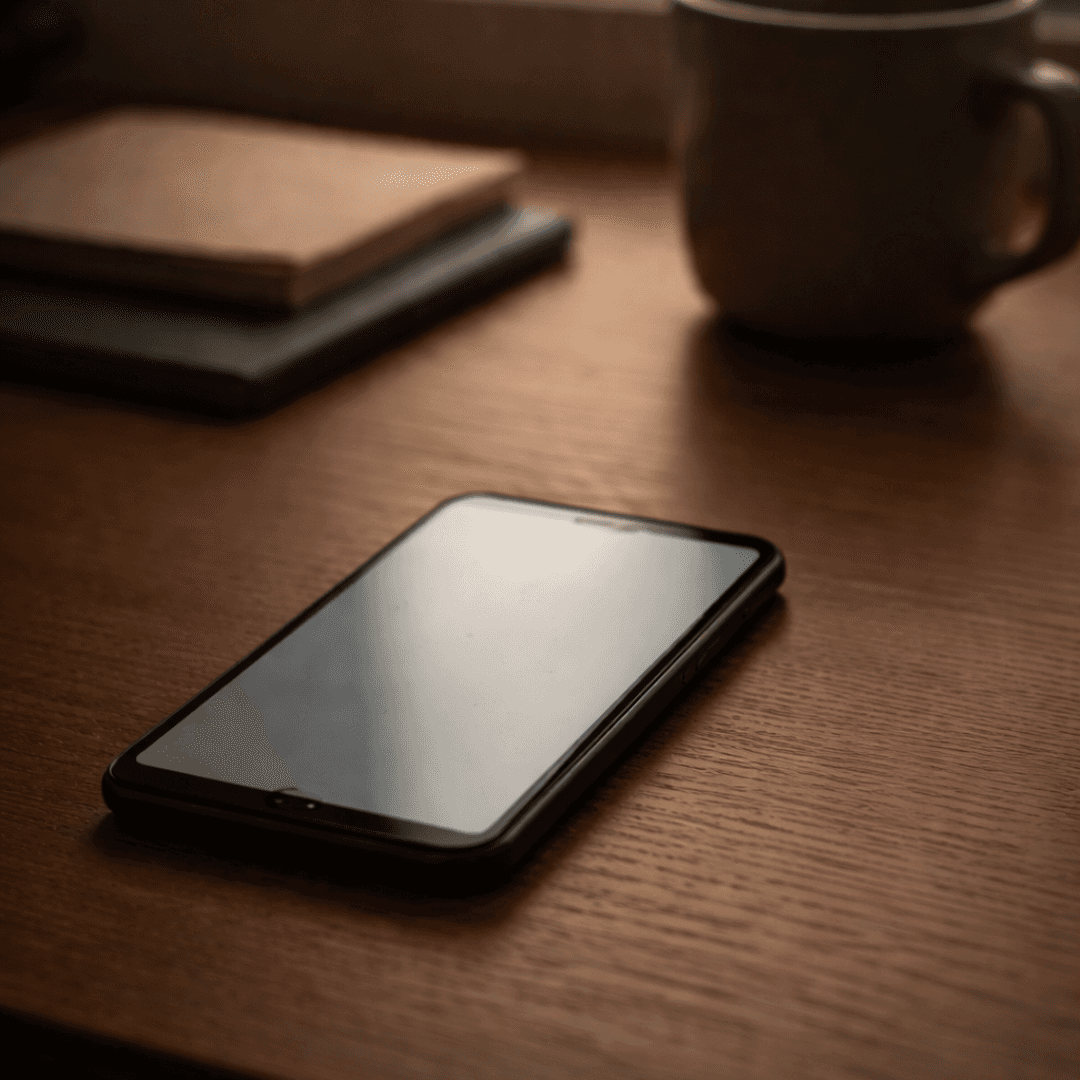
A freelancer I spoke with recently shared this story with me (with permission).
He was working with a client he had already delivered work for.
The invoice was sent.
The payment date passed.
He sent a reminder. No response.
Another message. Still nothing.
At the same time, the client went quiet.
No feedback.
No “got it.”
No “we’ll pay next week.”
The silence did the rest.
“They’re unhappy.”
“They won’t pay.”
“I pushed too much.”
“I should’ve charged less.”
“I can’t afford to lose this client.”
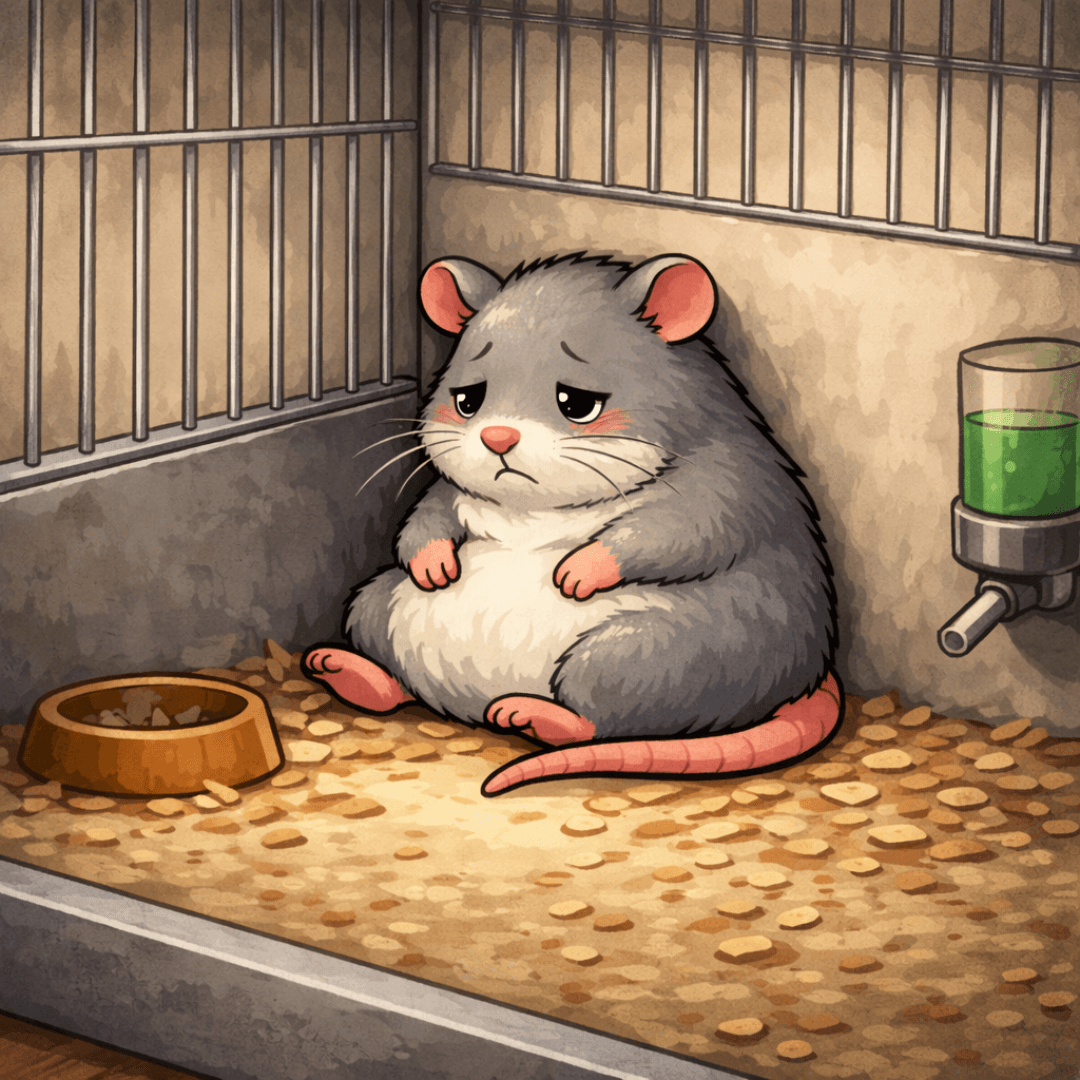
His body was already in panic mode.
Checking email compulsively.
Replaying every sentence he’d written.
Calculating how long he could manage without that money.
Eventually, the client paid.
Late - but paid.
No explanation.
No apology.
On the surface, everything was fine.
But the damage had already been done.
The anxiety.
The sleepless nights.
The self-doubt.
The quiet shame of needing the money this badly.
And that’s the part people often miss.
Freelance burnout doesn’t always come from dramatic crises.
Sometimes it grows during weeks like this,
when nothing “bad” happens,
but the nervous system never gets to rest.
This isn’t a personal weakness.
It’s a structural condition of independent work.
When income depends on other people’s responsiveness,
silence becomes a threat.
And freelancers are left to absorb the emotional cost alone.
No colleagues to normalize it.
No system to hold the uncertainty.
Just a body reacting to risk - quietly, repeatedly.
This is one of the less visible engines of freelance anxiety and burnout.
Not the explosion.
Not the collapse.
The waiting.
From a psychological perspective, this kind of strain is not driven by workload, but by uncertainty.
Research on stress and burnout shows that prolonged unpredictability, especially when it affects basic security like income, keeps the nervous system in a constant state of alert.
When there are no clear signals, timelines, or social buffers, the body fills in the gaps. And it rarely does so calmly.
A freelancer I spoke with recently shared this story with me (with permission).
He was working with a client he had already delivered work for.
The invoice was sent.
The payment date passed.
He sent a reminder. No response.
Another message. Still nothing.
At the same time, the client went quiet.
No feedback.
No “got it.”
No “we’ll pay next week.”
The silence did the rest.
“They’re unhappy.”
“They won’t pay.”
“I pushed too much.”
“I should’ve charged less.”
“I can’t afford to lose this client.”
His body was already in panic mode.
Checking email compulsively.
Replaying every sentence he’d written.
Calculating how long he could manage without that money.
Eventually, the client paid.
Late - but paid.
No explanation.
No apology.
On the surface, everything was fine.
But the damage had already been done.
The anxiety.
The sleepless nights.
The self-doubt.
The quiet shame of needing the money this badly.
And that’s the part people often miss.
Freelance burnout doesn’t always come from dramatic crises.
Sometimes it grows during weeks like this,
when nothing “bad” happens,
but the nervous system never gets to rest.
This isn’t a personal weakness.
It’s a structural condition of independent work.
When income depends on other people’s responsiveness,
silence becomes a threat.
And freelancers are left to absorb the emotional cost alone.
No colleagues to normalize it.
No system to hold the uncertainty.
Just a body reacting to risk - quietly, repeatedly.
This is one of the less visible engines of freelance anxiety and burnout.
Not the explosion.
Not the collapse.
The waiting.
From a psychological perspective, this kind of strain is not driven by workload, but by uncertainty.
Research on stress and burnout shows that prolonged unpredictability, especially when it affects basic security like income, keeps the nervous system in a constant state of alert.
When there are no clear signals, timelines, or social buffers, the body fills in the gaps. And it rarely does so calmly.
TAKE THE FREE ASSESSMENT
Find out where your
burnout is coming from
100% Private & Secure
TAKE THE FREE ASSESSMENT
Find out where your burnout is coming from
100% Private & Secure