When the Holidays Don't Recharge You
When the Holidays Don't Recharge You
From the Freelance Chair is a series of short, anonymized stories from conversations with freelancers. Not case studies. Not advice. Just small, often quiet moments that reveal how freelance work is actually lived, and the emotional structures that shape it.

Another relative smiling at me and asking, "So… how’s work?" And I feel like smashing a gingerbread cookie over his head.”
— A freelancer, during the holidays
A freelancer said this to me during the holidays.
And honestly - it stayed with me.
Not just because it’s funny.
But because it captures something very real.
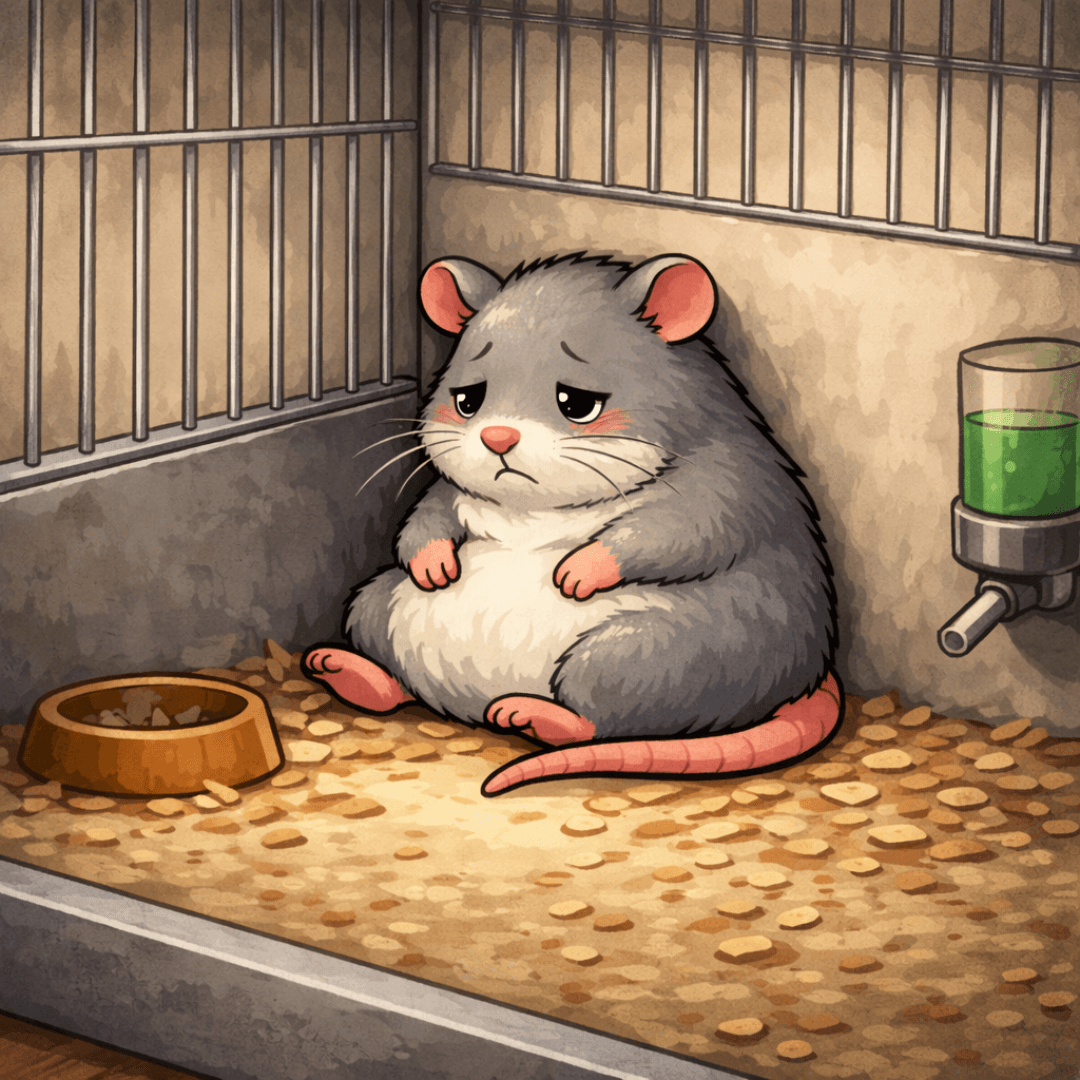
What if, after the holidays, you’re left with less energy than you had before them?
That was my experience this year.
The holidays were fun
but also surprisingly exhausting.
And here in Spain, they somehow still aren’t over.
The kids aren’t back at school yet,
but I already feel the need to come back to myself.
Holidays can be a particularly complex time for freelancers.
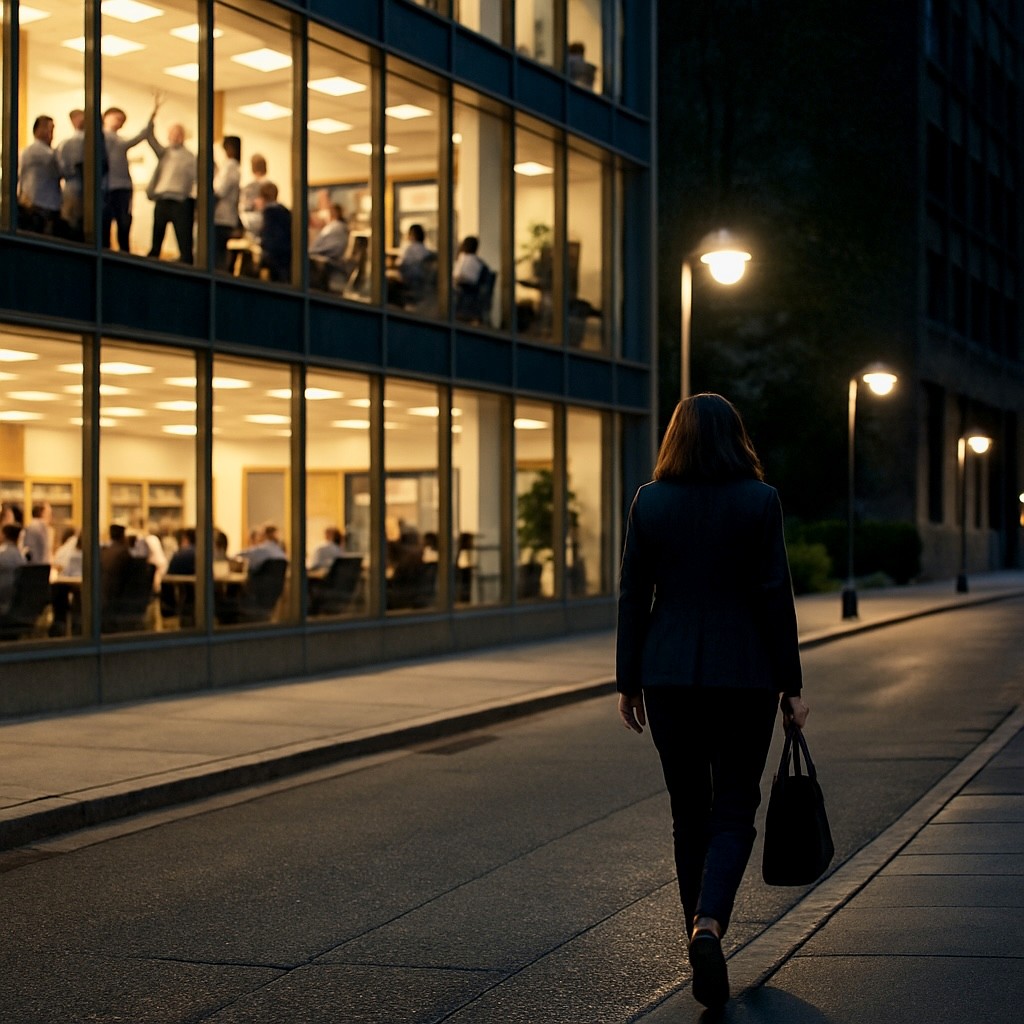
That switch employees have
the one where you turn work off
and enter “holiday mode”
doesn’t really exist in freelance life.
And you’d be surprised how many parts of life
that missing switch is connected to.
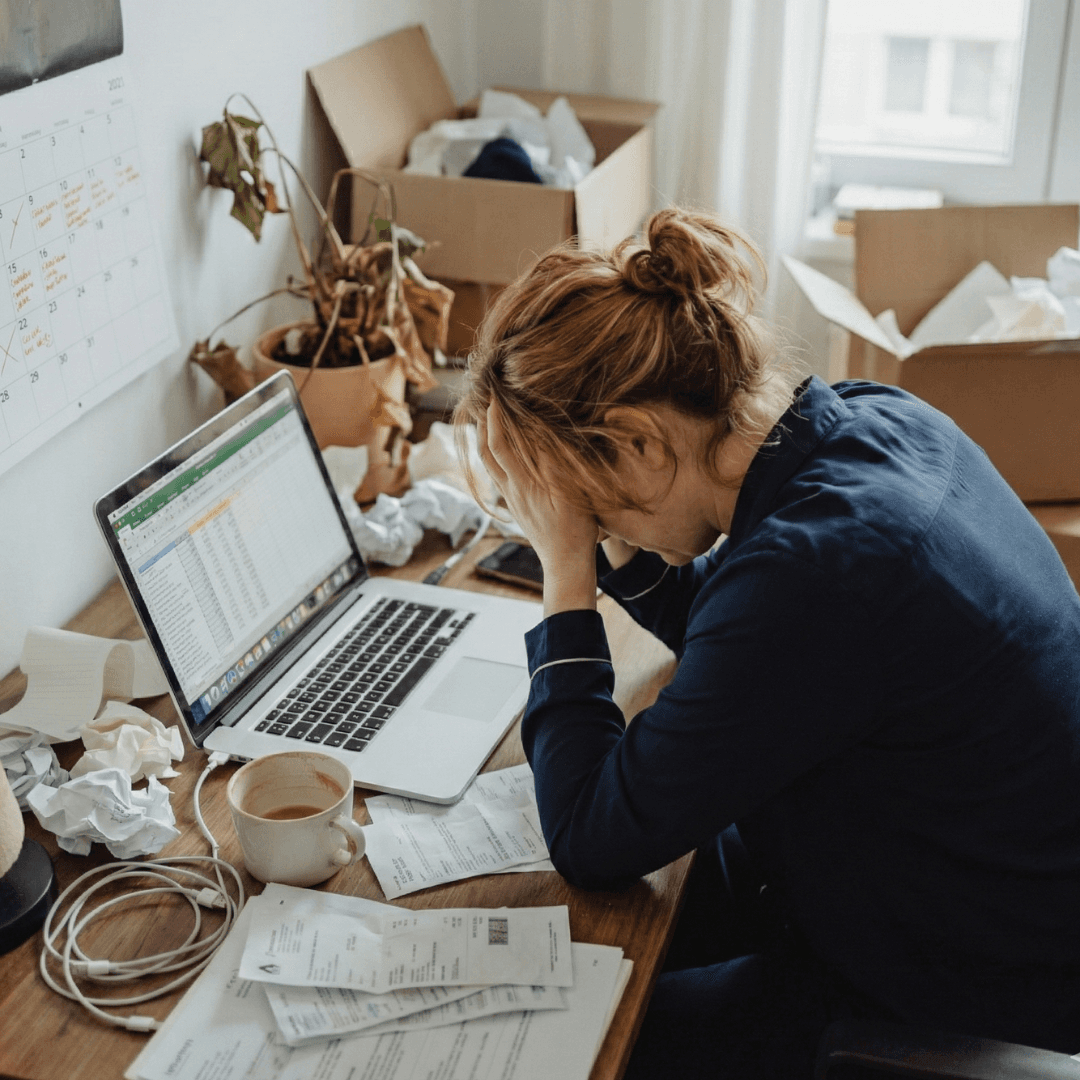
Freelancers don’t just pause work.
They carry it, quietly, into family dinners,
into small talk,
into questions that seem harmless
but land on already tired nervous systems.
During the holidays, I spoke with quite a few freelancers.
And I can say this with confidence:
If there’s one thing that helps most in moments like these
(and doesn’t involve alcohol),
it’s talking to someone else
who actually gets it.
Someone who doesn’t need context.
Or explanations.
Or reassurance that you’re “doing fine.”
Just someone who understands
why the question “So… how’s work?”
feels heavier than it sounds.
Psychologically, holidays don’t always function as recovery periods, especially when work boundaries are blurred.
Recovery requires not just time off,
but a genuine sense of psychological detachment.
When freelancers lack a clear off-switch, the nervous system stays partially engaged, even during rest.
That’s why some freelancers return from holidays feeling more depleted, not less.
Not because they did something wrong,
but because rest without safety, containment, or shared understanding doesn’t fully restore.
This is another quiet feature of freelance burnout:
the absence of a place where work can truly be put down.
Another relative smiling at me and asking, "So… how’s work?" And I feel like smashing a gingerbread cookie over his head.”
— A freelancer, during the holidays
A freelancer said this to me during the holidays.
And honestly - it stayed with me.
Not just because it’s funny.
But because it captures something very real.
What if, after the holidays, you’re left with less energy than you had before them?
That was my experience this year.
The holidays were fun
but also surprisingly exhausting.
And here in Spain, they somehow still aren’t over.
The kids aren’t back at school yet,
but I already feel the need to come back to myself.
Holidays can be a particularly complex time for freelancers.
That switch employees have
the one where you turn work off
and enter “holiday mode”
doesn’t really exist in freelance life.
And you’d be surprised how many parts of life
that missing switch is connected to.
Freelancers don’t just pause work.
They carry it, quietly, into family dinners,
into small talk,
into questions that seem harmless
but land on already tired nervous systems.
During the holidays, I spoke with quite a few freelancers.
And I can say this with confidence:
If there’s one thing that helps most in moments like these
(and doesn’t involve alcohol),
it’s talking to someone else
who actually gets it.
Someone who doesn’t need context.
Or explanations.
Or reassurance that you’re “doing fine.”
Just someone who understands
why the question “So… how’s work?”
feels heavier than it sounds.
Psychologically, holidays don’t always function as recovery periods, especially when work boundaries are blurred.
Recovery requires not just time off,
but a genuine sense of psychological detachment.
When freelancers lack a clear off-switch, the nervous system stays partially engaged, even during rest.
That’s why some freelancers return from holidays feeling more depleted, not less.
Not because they did something wrong,
but because rest without safety, containment, or shared understanding doesn’t fully restore.
This is another quiet feature of freelance burnout:
the absence of a place where work can truly be put down.
TAKE THE FREE ASSESSMENT
Find out where your
burnout is coming from
100% Private & Secure
TAKE THE FREE ASSESSMENT
Find out where your burnout is coming from
100% Private & Secure