I Hope They Don't Find Out!
I Hope They Don't Find Out!
If you ever feel like you are just one bad email away from being "exposed," this is for you.

The term "Impostor Syndrome” (Or Phenomenon) was first coined in 1978 by psychologists Dr. Pauline Rose Clance and Dr. Suzanne Imes.
Originally, they thought it was a unique condition affecting high-achieving women who felt their success was due more to luck rather than their talent.
We now know that isn't true - impostor syndrome affects everyone, regardless of gender. In fact, between 20-50% of professionals report significant “impostor feelings” at any given time.
I feel like a fraud.
In a recent private session, a fellow freelancer told me, "I wait until the last minute to turn work in. That way, if the client hates it, I can tell myself it’s because I didn’t have enough time - not because I’m not good enough."
This isn't laziness. It's Self-Handicapping: creating an excuse in advance to protect yourself from the "fraud" label.
But it didn't stop there. "I set standards so high that I’d rather not start than do something less than perfect," she confessed. "It makes every email I write feel like I have to prove my competence."
The result? She worked twice as hard on the wrong things to prove her worth, exhausting herself before the real work even began.
Sound familiar? This is the specific, silent crash of Impostor-Driven Burnout.
The Freelance Twist.
In a corporate office, you get "reality checks." A colleague nods at your idea during a meeting. A boss approves your draft. You have external validation that says, "You are okay. You belong here."
This is where Freelance Burnout and Impostor Syndrome collide.
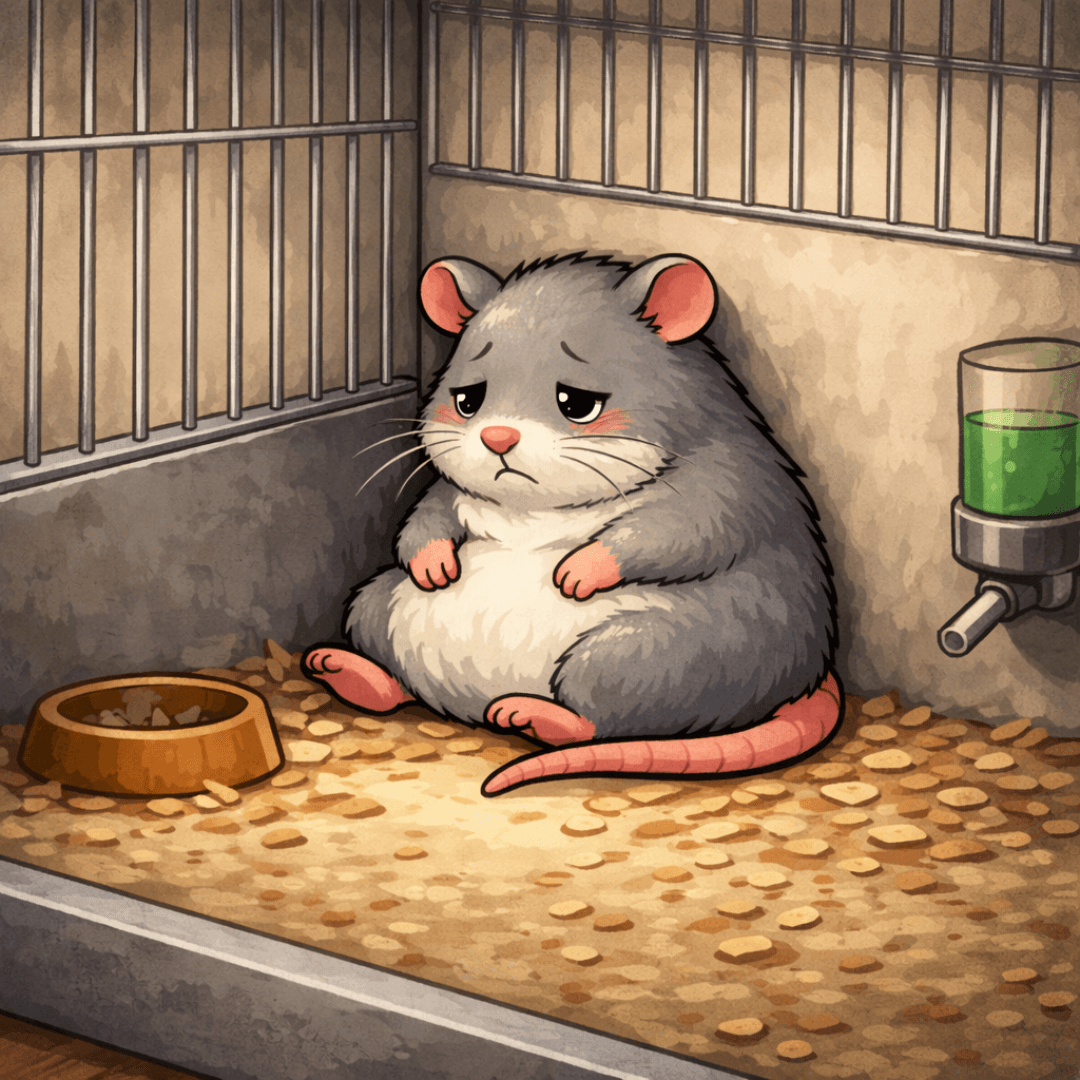
Freelance work creates a unique pressure cooker: isolation magnifies mistakes, blurred boundaries fuel chronic guilt, and constant self-management drains our decision-making capacity.
Burnout is the catalyst. When our cognitive resources are depleted, these pressures stop feeling like challenges to be solved - and start looking like proof of fraudulence.
The result: We work twice as hard to prove we aren't a fake (sometimes on the wrong things), leading to even higher rates of emotional exhaustion.
This is where freelance burnout and impostor syndrome feed each other:
In other words, The more burned out we are, the more we feel like impostors.
So, how do we stop the spiral?
We cannot "trick ourselves into feeling confident." Real confidence isn’t something you can fake. We need structural anchors that help us stay grounded.
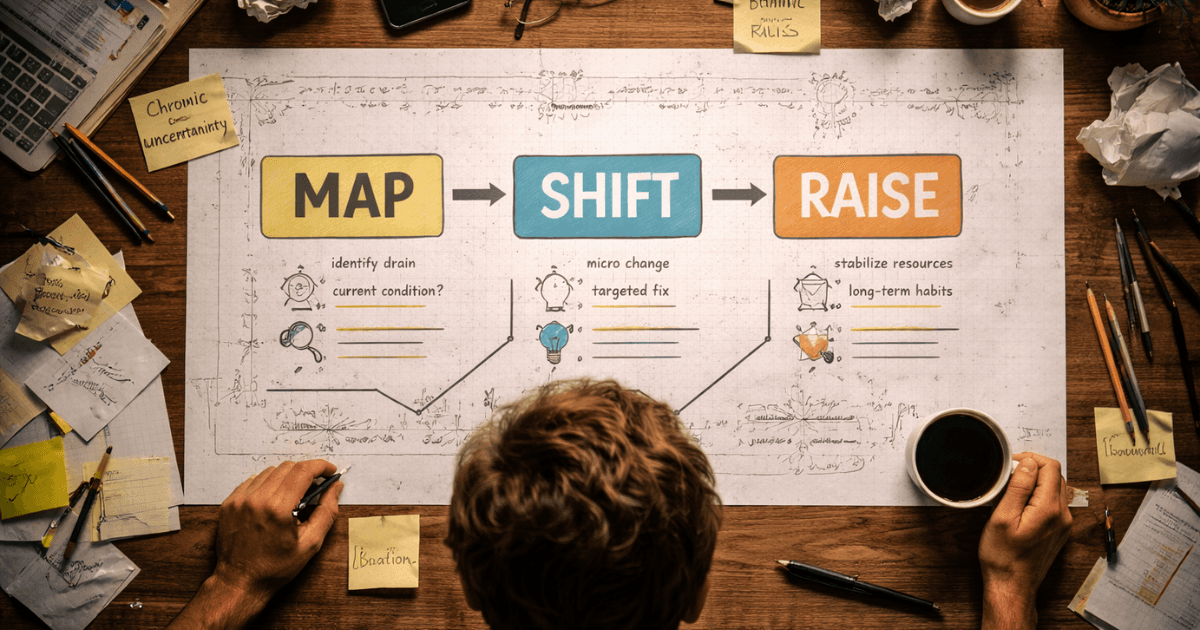
Here are three practical ways to lower the volume of the impostor voice:
1. Externalize your proof (The "Goodie-Bag") Your brain is wired to forget your wins and obsess over your failures. Do not trust your memory. Create a physical or digital folder. Every time a client says "thank you," every time you solve a problem, every time you hit a hard deadline, every time someone says a kind word about the work you do - screenshot it and drop it in. When the "impostor" feelings hit, go back and look at the evidence. Facts over feelings.
2. Find a witness: Impostor syndrome thrives in secrecy. It dies in the light. Join a small peer community or find one accountability partner that hands you a "reality check." Hearing another professional say, "Oh yeah, I messed that up last week too," is a powerful practical tool for resetting your nervous system.
3. Use "Containers" to reduce shame: Stop setting yourself up for failure. If Tuesday is for marketing, and Monday is for deep work, don’t beat yourself up about not sending marketing emails on Monday.
Assign specific days for specific modes.
Tuesday is for Marketing.
Wednesday is for Client Work. If it’s Monday and you haven't sent a single pitch email? Good. It’s not Tuesday. You aren't "bad at business," you are just following the schedule.
Let’s normalize this.
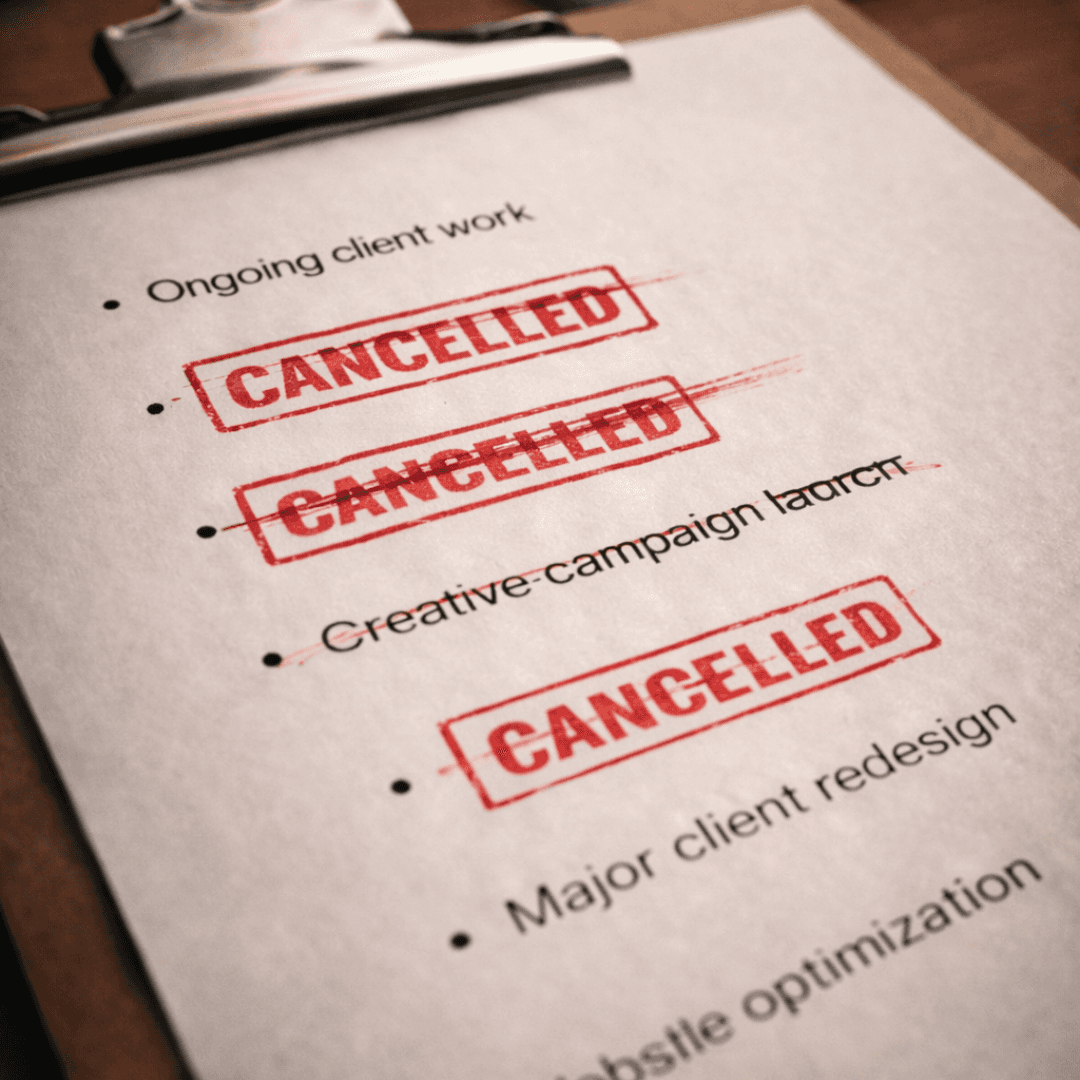
Imposter syndrome doesn’t vanish the moment you sign a bigger client or publish a great article. In fact, success can only pile up more of the fraudulent feelings you already have. Why? Because now you have more to lose, “failure” just got a bigger stage. But we can flip that dynamic, all it takes is a bit of self-work and the right tools.
The term "Impostor Syndrome” (Or Phenomenon) was first coined in 1978 by psychologists Dr. Pauline Rose Clance and Dr. Suzanne Imes.
Originally, they thought it was a unique condition affecting high-achieving women who felt their success was due more to luck rather than their talent.
We now know that isn't true - impostor syndrome affects everyone, regardless of gender. In fact, between 20-50% of professionals report significant “impostor feelings” at any given time.
I feel like a fraud.
In a recent private session, a fellow freelancer told me, "I wait until the last minute to turn work in. That way, if the client hates it, I can tell myself it’s because I didn’t have enough time - not because I’m not good enough."
This isn't laziness. It's Self-Handicapping: creating an excuse in advance to protect yourself from the "fraud" label.
But it didn't stop there. "I set standards so high that I’d rather not start than do something less than perfect," she confessed. "It makes every email I write feel like I have to prove my competence."
The result? She worked twice as hard on the wrong things to prove her worth, exhausting herself before the real work even began.
Sound familiar? This is the specific, silent crash of Impostor-Driven Burnout.
The Freelance Twist.
In a corporate office, you get "reality checks." A colleague nods at your idea during a meeting. A boss approves your draft. You have external validation that says, "You are okay. You belong here."
This is where Freelance Burnout and Impostor Syndrome collide.
Freelance work creates a unique pressure cooker: isolation magnifies mistakes, blurred boundaries fuel chronic guilt, and constant self-management drains our decision-making capacity.
Burnout is the catalyst. When our cognitive resources are depleted, these pressures stop feeling like challenges to be solved - and start looking like proof of fraudulence.
The result: We work twice as hard to prove we aren't a fake (sometimes on the wrong things), leading to even higher rates of emotional exhaustion.
This is where freelance burnout and impostor syndrome feed each other:
In other words, The more burned out we are, the more we feel like impostors.
So, how do we stop the spiral?
We cannot "trick ourselves into feeling confident." Real confidence isn’t something you can fake. We need structural anchors that help us stay grounded.
Here are three practical ways to lower the volume of the impostor voice:
1. Externalize your proof (The "Goodie-Bag") Your brain is wired to forget your wins and obsess over your failures. Do not trust your memory. Create a physical or digital folder. Every time a client says "thank you," every time you solve a problem, every time you hit a hard deadline, every time someone says a kind word about the work you do - screenshot it and drop it in. When the "impostor" feelings hit, go back and look at the evidence. Facts over feelings.
2. Find a witness: Impostor syndrome thrives in secrecy. It dies in the light. Join a small peer community or find one accountability partner that hands you a "reality check." Hearing another professional say, "Oh yeah, I messed that up last week too," is a powerful practical tool for resetting your nervous system.
3. Use "Containers" to reduce shame: Stop setting yourself up for failure. If Tuesday is for marketing, and Monday is for deep work, don’t beat yourself up about not sending marketing emails on Monday.
Assign specific days for specific modes.
Tuesday is for Marketing.
Wednesday is for Client Work. If it’s Monday and you haven't sent a single pitch email? Good. It’s not Tuesday. You aren't "bad at business," you are just following the schedule.
Let’s normalize this.
Imposter syndrome doesn’t vanish the moment you sign a bigger client or publish a great article. In fact, success can only pile up more of the fraudulent feelings you already have. Why? Because now you have more to lose, “failure” just got a bigger stage. But we can flip that dynamic, all it takes is a bit of self-work and the right tools.
TAKE THE FREE ASSESSMENT
Find out where your
burnout is coming from
100% Private & Secure
TAKE THE FREE ASSESSMENT
Find out where your burnout is coming from
100% Private & Secure