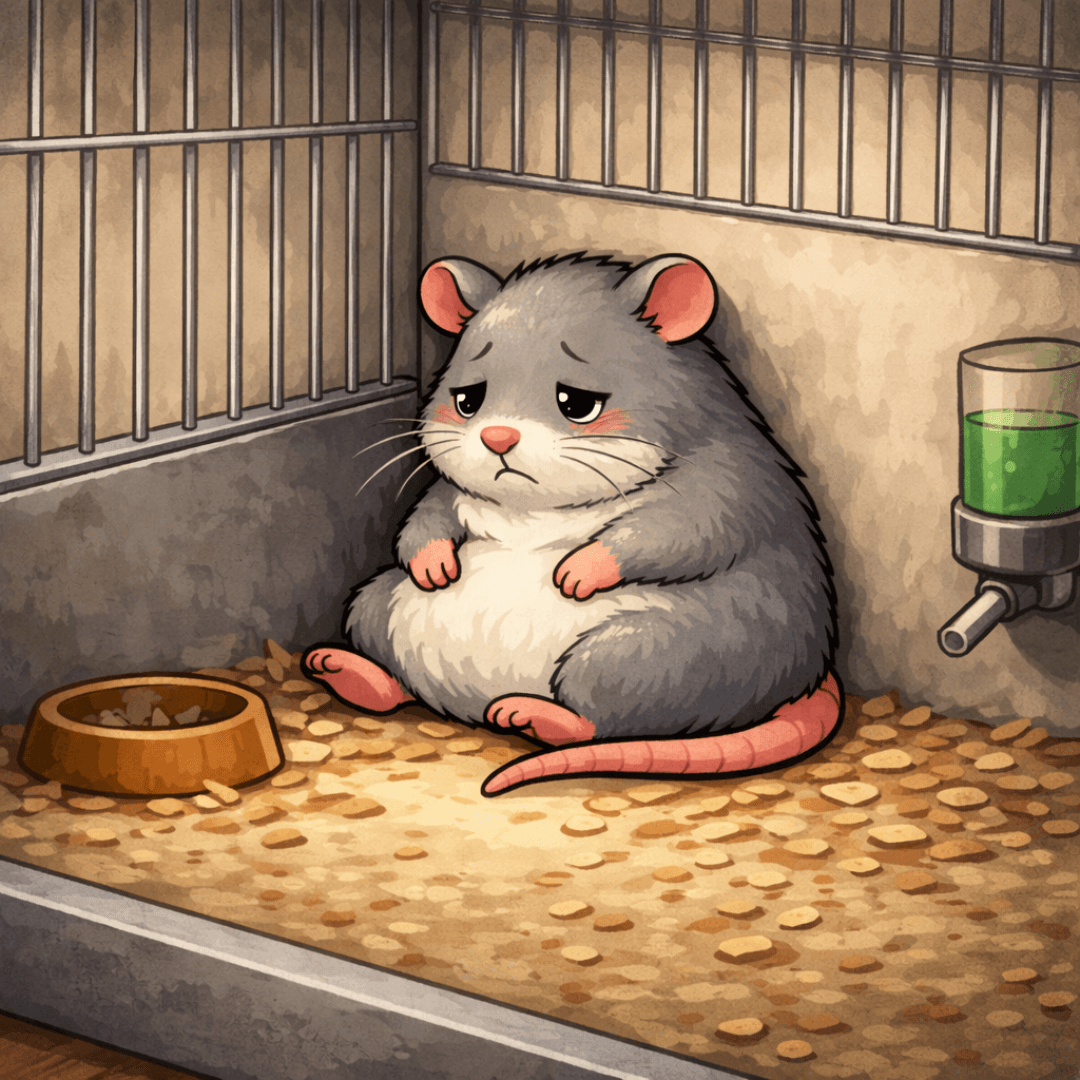
What Freelancers Can Learn From This Very Tired Lab Rat
What Freelancers Can Learn From This Very Tired Lab Rat
In six years of studying psychology, one lecture, stayed with me more than any other. It was my first introduction to the concept of Learned Helplessness.
At the time, it felt less like a dry academic theory and more like a tragic look at how living systems try - and sometimes fail - to navigate the world.
The Original Experiment
Developed in the late 1960s by psychologists Martin Seligman and Steven F. Maier, the original experiments involved exposing animals to a mild electric shock.
Group A could stop the shock by pressing a lever.
Group B received the same shocks but had no way to control them.
Group C received no shocks at all.
In the second phase, all animals were placed in a box where escaping the shock was simple: they just had to jump over a small barrier.
The animals that had previously learned they had control jumped immediately. But the animals from Group B - who had learned their actions didn't matter - didn't even try. They simply lay down and endured the shock.
They hadn't stopped because they were weak. They had stopped because they had learned that learning itself was useless.
“The animal doesn’t stop because it is weak. It stops because it has learned that learning itself is useless.”
The Neuroscience of Agency
In 2016, Steven Maier revisited his work using modern neuroscience. His findings were a breakthrough: passivity might actually be the brain's default response to uncontrollable stress.
We don't need to learn helplessness; we need to learn control. Experiences of influence activate specific brain circuits that suppress the helplessness response. When we can't see the connection between our actions and the outcomes, our nervous system begins to shut down.
Are You Falling Into the "Freelance Trap"?
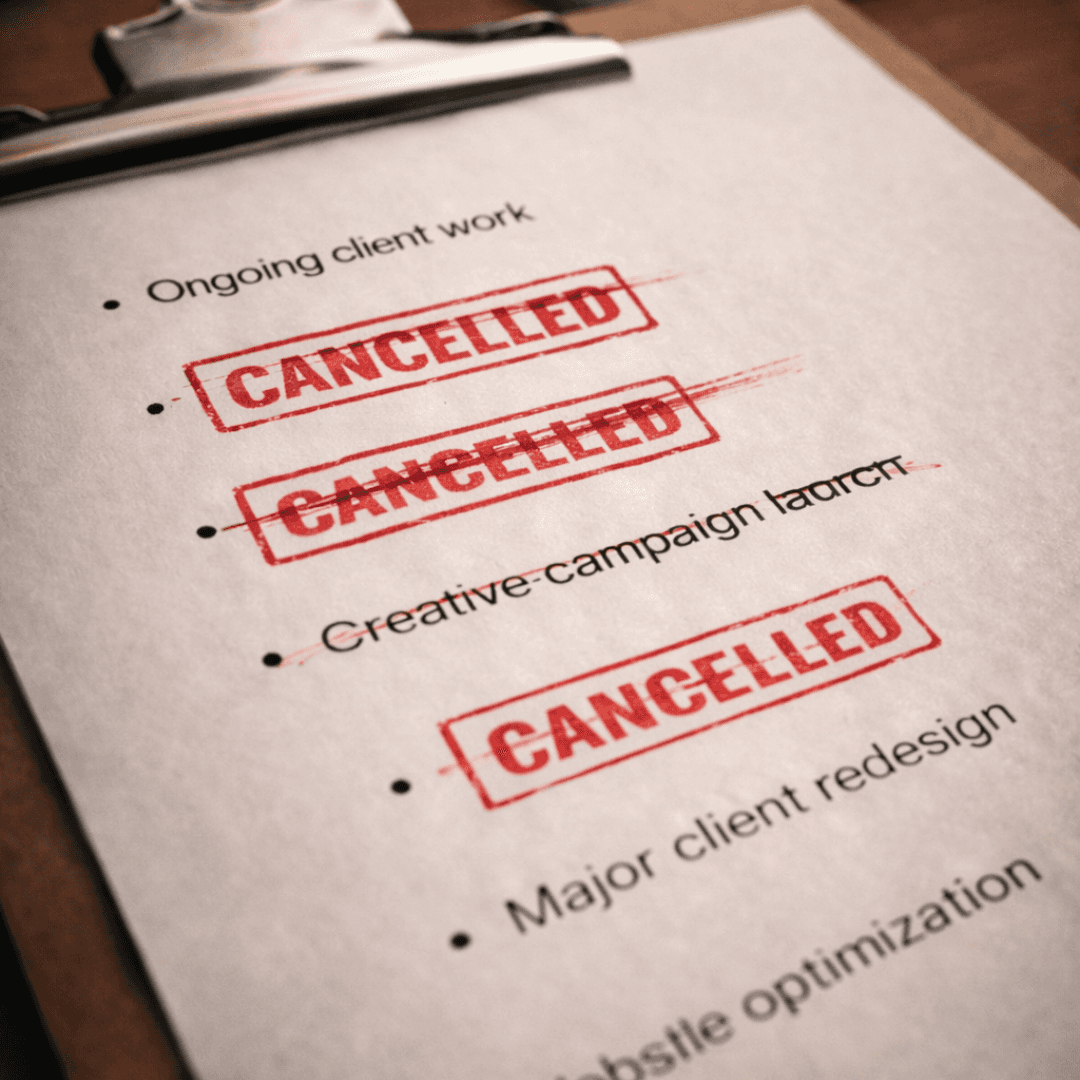
Freelancers aren't lab rats, but our brains share the same ancient wiring. In environments where effort and outcome are unpredictable - like LinkedIn reach, proposal response rates, or client cycles - the sense of control can slowly erode.
The danger isn't that you stop working. The danger is that you stop believing your actions matter.
Three Ways to Reclaim Your Agency
The good news? Learned helplessness is not a permanent state. You can rebuild your sense of agency by shifting how you structure your efforts.
1. Turn your effort into experiments
Stop framing every post or proposal as a "success" or "failure." Frame them as data points. Instead of asking, "Did this work?", ask: "What did I learn from this attempt?" Experiments restore the curiosity that helplessness shuts down.
2. Watch your "Explanatory Style"
Psychologists use the "Three P’s" to describe how we talk to ourselves after a setback:
Personal: "This failed because something is wrong with me."
Permanent: "It will probably always be like this."
Pervasive: "This means everything in my business is failing."
These aren't facts; they are mental models. Practice reframing these as temporary and situational.
3. Look for "Micro-Evidence" of influence
When we feel stuck, our brains become blind to anything that isn't a "big win." Start noticing the small ripples: a thoughtful reply to a comment, a profile view, or a "not now" from a potential client. These are proof that your actions still interact with the world.
Final Thought
Learned helplessness begins when the brain concludes that effort is useless.
Recovery begins the moment you notice that the world still responds to you.
Your brain isn't broken; it's just waiting for a signal that your voice still carries.
Stop looking for the big win - look for the ripple.
Ready to build a more resilient freelance practice?
If you found yourself nodding along, know that you’re not alone in this. Every week, I send out a digest filled with practical insights, actionable tools, and the knowledge you need to better navigate the freelance path.
Join the newsletter below (No fluff, no spam - just content that actually helps you succeed.)
— — — — —
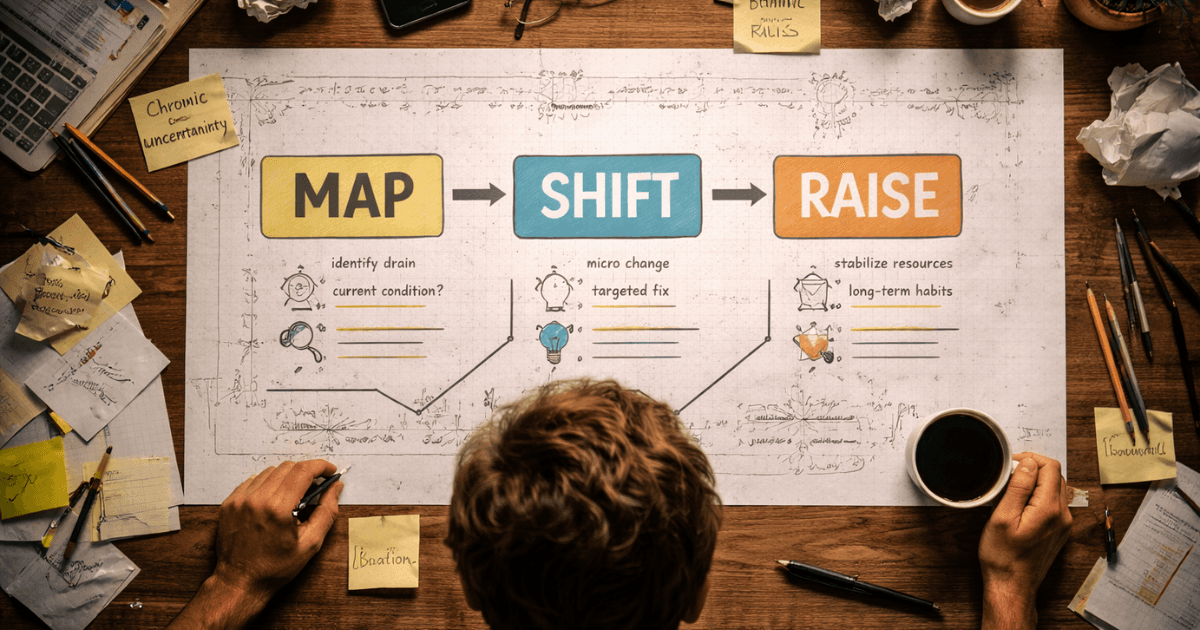
Would you like to dive deeper? If you're feeling the pressure and "working less" isn't an option for you, read my guide on The Spiral Pivot: How to Navigate Freelance Burnout When You Can’t Stop Working.
At the time, it felt less like a dry academic theory and more like a tragic look at how living systems try - and sometimes fail - to navigate the world.
The Original Experiment
Developed in the late 1960s by psychologists Martin Seligman and Steven F. Maier, the original experiments involved exposing animals to a mild electric shock.
Group A could stop the shock by pressing a lever.
Group B received the same shocks but had no way to control them.
Group C received no shocks at all.
In the second phase, all animals were placed in a box where escaping the shock was simple: they just had to jump over a small barrier.
The animals that had previously learned they had control jumped immediately. But the animals from Group B - who had learned their actions didn't matter - didn't even try. They simply lay down and endured the shock.
They hadn't stopped because they were weak. They had stopped because they had learned that learning itself was useless.
“The animal doesn’t stop because it is weak. It stops because it has learned that learning itself is useless.”
The Neuroscience of Agency
In 2016, Steven Maier revisited his work using modern neuroscience. His findings were a breakthrough: passivity might actually be the brain's default response to uncontrollable stress.
We don't need to learn helplessness; we need to learn control. Experiences of influence activate specific brain circuits that suppress the helplessness response. When we can't see the connection between our actions and the outcomes, our nervous system begins to shut down.
Are You Falling Into the "Freelance Trap"?
Freelancers aren't lab rats, but our brains share the same ancient wiring. In environments where effort and outcome are unpredictable - like LinkedIn reach, proposal response rates, or client cycles - the sense of control can slowly erode.
The danger isn't that you stop working. The danger is that you stop believing your actions matter.
Three Ways to Reclaim Your Agency
The good news? Learned helplessness is not a permanent state. You can rebuild your sense of agency by shifting how you structure your efforts.
1. Turn your effort into experiments
Stop framing every post or proposal as a "success" or "failure." Frame them as data points. Instead of asking, "Did this work?", ask: "What did I learn from this attempt?" Experiments restore the curiosity that helplessness shuts down.
2. Watch your "Explanatory Style"
Psychologists use the "Three P’s" to describe how we talk to ourselves after a setback:
Personal: "This failed because something is wrong with me."
Permanent: "It will probably always be like this."
Pervasive: "This means everything in my business is failing."
These aren't facts; they are mental models. Practice reframing these as temporary and situational.
3. Look for "Micro-Evidence" of influence
When we feel stuck, our brains become blind to anything that isn't a "big win." Start noticing the small ripples: a thoughtful reply to a comment, a profile view, or a "not now" from a potential client. These are proof that your actions still interact with the world.
Final Thought
Learned helplessness begins when the brain concludes that effort is useless.
Recovery begins the moment you notice that the world still responds to you.
Your brain isn't broken; it's just waiting for a signal that your voice still carries.
Stop looking for the big win - look for the ripple.
Ready to build a more resilient freelance practice?
If you found yourself nodding along, know that you’re not alone in this. Every week, I send out a digest filled with practical insights, actionable tools, and the knowledge you need to better navigate the freelance path.
Join the newsletter below (No fluff, no spam - just content that actually helps you succeed.)
— — — — —
Would you like to dive deeper? If you're feeling the pressure and "working less" isn't an option for you, read my guide on The Spiral Pivot: How to Navigate Freelance Burnout When You Can’t Stop Working.
TAKE THE FREE ASSESSMENT
Find out where your
burnout is coming from
100% Private & Secure
TAKE THE FREE ASSESSMENT
Find out where your burnout is coming from
100% Private & Secure