The Spiral Pivot: Navigating Freelance Burnout When You Can’t Stop Working
The Spiral Pivot: Navigating Freelance Burnout When You Can’t Stop Working
Why traditional burnout advice fails freelancers, and how to change your axis.

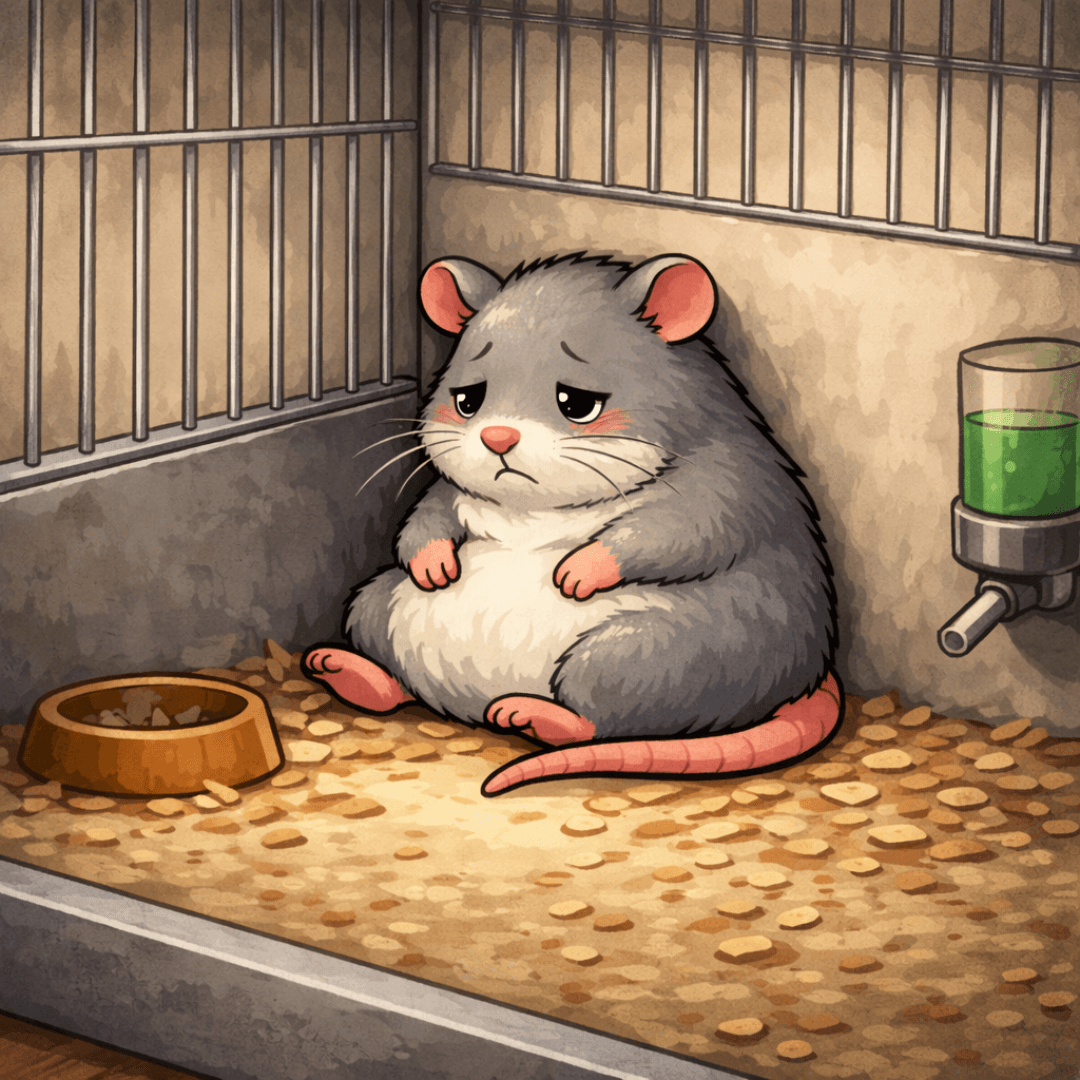
Freelance burnout isn’t caused by working too much.
It’s caused by working inside a system built on uncertainty.
In the world of burnout, we often talk about “breaking cycles” or “getting out of a dip.” Stress is described as something circular - a loop we need to escape. But for freelancers, stress doesn’t behave like a flat circle.
It behaves like a spiral.
In freelance life, uncertainty compounds. Silence compounds. One missed email can spiral into financial anxiety, sleep disruption, social withdrawal, and decision paralysis. The downward pull often feels less like a bad week - and more like a law of nature.
And this is where most burnout advice quietly collapses.
Why “Work Less” Doesn’t Work for Freelancers
Most burnout solutions begin with the same recommendation:
Reduce workload. Take time off. Slow down.
For employees, this advice is at least theoretically possible.
For freelancers, it often isn’t.
When work is your lifeline - when income, visibility, and momentum are fragile - reducing work doesn’t feel like self-care. It feels like a risk.
This is the question that surfaced for me repeatedly when I was burned out myself:
“How do I deal with burnout - when reducing work isn’t an option?”
If rest immediately triggers anxiety about losing clients, income, or relevance, then “work less” isn’t a solution. It’s a privilege.
Freelance burnout isn’t primarily about overwork.
It’s about chronic uncertainty, professional loneliness, and constant self-regulation - conditions that don’t disappear just because you want them to.
Burnout as a Structural Spiral - Not a Personal Failure
Traditional positive psychology offers the idea of an “upward spiral”: positive emotions broaden our resources, helping us build resilience over time.
It’s a beautiful model, and often completely inaccessible to someone whose nervous system is already overloaded.
When your bank account is strained, your calendar is unstable, or your social battery is depleted, “feeling positive” isn’t a starting point. It’s a luxury.
From a stress perspective, freelance burnout closely resembles what stress research describes as a spiral of loss:
one stressor drains resources, making you more vulnerable to the next, until your internal “safety floor” collapses.
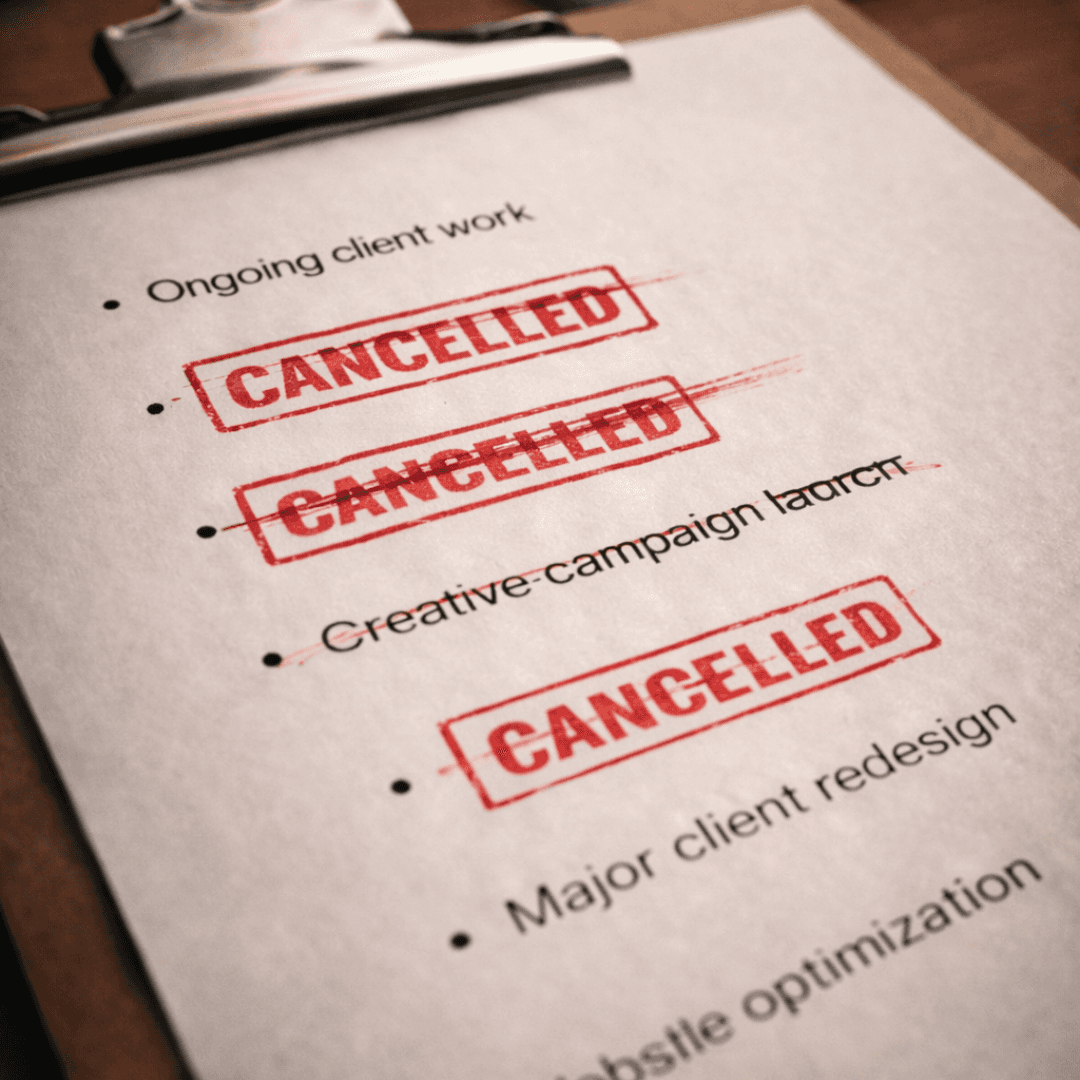
A lost client leads to sleep disruption.
Poor sleep leads to impaired focus.
Impaired focus leads to mistakes or avoidance.
Avoidance leads to more uncertainty.
The spiral tightens.
Crucially, this doesn’t mean the freelancer is failing.
It means the system is doing exactly what it’s designed to do.
The Core Premise of the Spiral Pivot
The Spiral Pivot begins with radical honesty:
The stressors of freelance life are structural, not personal.
They will return.
Uncertainty is part of the business model.
Silence is part of the job.
Decision fatigue is built in.
If we wait for these conditions to disappear before we start recovering, we will stay stuck at the bottom of the spiral.
So instead of asking:
How do I stop the spiral?
We ask a different question:
How do I change my position within it?
What Is the Spiral Pivot?
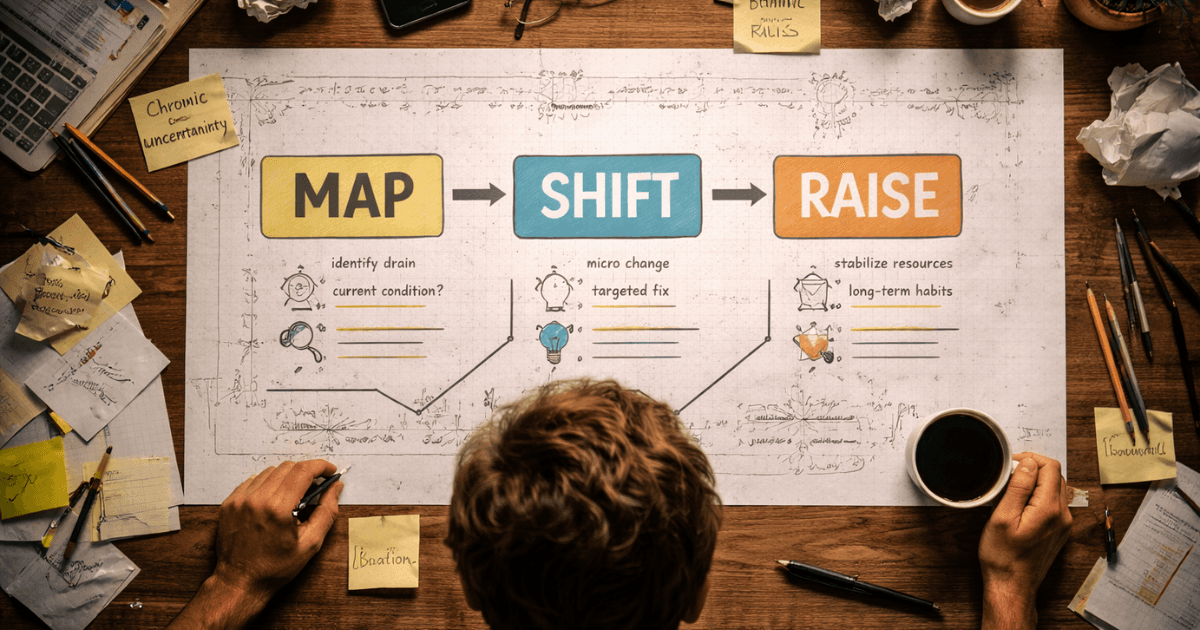
A pivot, in startup language, is a change in direction without losing contact with the ground. You don’t burn everything down - you shift the axis.
The Spiral Pivot applies this logic to human performance and burnout.
Instead of trying to stop the spiral, you change the axis of movement.
You don’t work less.
You don’t wait to feel better.
You don’t eliminate stress.
You introduce a Micro-Push:
a small, technical, non-negotiable structural change that alters how stress moves through your system.
The Spiral Pivot is not emotional first.
It’s behavioral first.
Micro-Pushes: Acting Before You Feel Better
A Micro-Push is intentionally boring.
It doesn’t rely on motivation, inspiration, or optimism.
It’s a rule.
Examples:
Instead of trying to feel less lonely, you implement a rule:
“I work from a shared space every Tuesday.”Instead of trying to worry less about money, you automate a boundary:
“I check my finances only on the 1st of the month.”Instead of hoping to rest more, you introduce a structural stop:
“No client communication after 6pm - regardless of mood.”
These actions don’t require you to feel calm first.
They create calm by stabilizing your point of contact with the world.
Each Micro-Push slightly shifts the axis of the spiral.
What the Spiral Pivot Is - and What It Isn’t
The Spiral Pivot is:
Structural
Behavioral
Designed for high-uncertainty environments
Built for people who cannot simply step away from work
The Spiral Pivot is not:
A mindset shift
A motivation strategy
A replacement for therapy
A promise that stress will disappear
Its goal is not peace.
Its goal is containment.
Rising to the Next Floor
When you introduce structural pivots, life remains spiral-bound - but the direction shifts.
You begin an upward movement not because the world changed, but because your center of gravity did.
This leads to what I call The Higher Floor.
In a few months, uncertainty will return.
Silence will return.
Another client will pause, delay, or disappear.
But you will meet that moment from a higher floor:
With a more regulated nervous system
With stronger structural boundaries
With a reinforced professional safety floor that prevents collapse
The spiral doesn’t stop.
But it no longer pulls you all the way down.
Why This Matters for Freelancers
Freelance burnout doesn’t respond well to advice designed for stable systems.
It requires models that assume:
Instability is permanent
Autonomy comes with psychological cost
“Doing less” is not always possible
The Spiral Pivot doesn’t try to make freelance life safe.
It makes you safer inside it.
Final Thoughts
Uncertainty isn’t going anywhere.
Silence is part of the job.
And for most freelancers, reducing work isn’t a real option.
The Spiral Pivot isn’t about eliminating stress.
It’s about changing the axis of the spiral.
By shifting the structure of our daily systems, we transform the force that pulls us downward into the very mechanism that lifts us to the next level of our career.
This framework is the foundation of my live workshop, where we map personal burnout patterns, identify energy leaks, and build individualized Spiral Pivots - designed for real freelance life, not ideal conditions.
— — — — —
The Spiral Pivot is just the beginning. If you’re feeling stuck in a loop and want to map out your own structural pivots, let’s talk. [Click here to book a 1:1 strategy session] and let's turn your downward spiral into an upward climb.
References
Fredrickson, B. L. (2001). The role of positive emotions in positive psychology: The broaden-and-build theory of positive emotions. American Psychologist, 56(3), 218–226. https://doi.org/10.1037/0003-066X.56.3.218
Hobfoll, S. E. (1989). Conservation of resources: A new attempt at conceptualizing stress. American Psychologist, 44(3), 513–524. https://doi.org/10.1037/0003-066X.44.3.513
McEwen, B. S. (1998). Protective and damaging effects of stress mediators. The New England Journal of Medicine, 338(3), 171–179. https://doi.org/10.1056/NEJM199801153380307
World Health Organization. (2019). Burn-out an occupational phenomenon. International Classification of Diseases (11th Revision). https://icd.who.int/browse11/l-m/en
Freelance burnout isn’t caused by working too much.
It’s caused by working inside a system built on uncertainty.
In the world of burnout, we often talk about “breaking cycles” or “getting out of a dip.” Stress is described as something circular - a loop we need to escape. But for freelancers, stress doesn’t behave like a flat circle.
It behaves like a spiral.
In freelance life, uncertainty compounds. Silence compounds. One missed email can spiral into financial anxiety, sleep disruption, social withdrawal, and decision paralysis. The downward pull often feels less like a bad week - and more like a law of nature.
And this is where most burnout advice quietly collapses.
Why “Work Less” Doesn’t Work for Freelancers
Most burnout solutions begin with the same recommendation:
Reduce workload. Take time off. Slow down.
For employees, this advice is at least theoretically possible.
For freelancers, it often isn’t.
When work is your lifeline - when income, visibility, and momentum are fragile - reducing work doesn’t feel like self-care. It feels like a risk.
This is the question that surfaced for me repeatedly when I was burned out myself:
“How do I deal with burnout - when reducing work isn’t an option?”
If rest immediately triggers anxiety about losing clients, income, or relevance, then “work less” isn’t a solution. It’s a privilege.
Freelance burnout isn’t primarily about overwork.
It’s about chronic uncertainty, professional loneliness, and constant self-regulation - conditions that don’t disappear just because you want them to.
Burnout as a Structural Spiral - Not a Personal Failure
Traditional positive psychology offers the idea of an “upward spiral”: positive emotions broaden our resources, helping us build resilience over time.
It’s a beautiful model, and often completely inaccessible to someone whose nervous system is already overloaded.
When your bank account is strained, your calendar is unstable, or your social battery is depleted, “feeling positive” isn’t a starting point. It’s a luxury.
From a stress perspective, freelance burnout closely resembles what stress research describes as a spiral of loss:
one stressor drains resources, making you more vulnerable to the next, until your internal “safety floor” collapses.
A lost client leads to sleep disruption.
Poor sleep leads to impaired focus.
Impaired focus leads to mistakes or avoidance.
Avoidance leads to more uncertainty.
The spiral tightens.
Crucially, this doesn’t mean the freelancer is failing.
It means the system is doing exactly what it’s designed to do.
The Core Premise of the Spiral Pivot
The Spiral Pivot begins with radical honesty:
The stressors of freelance life are structural, not personal.
They will return.
Uncertainty is part of the business model.
Silence is part of the job.
Decision fatigue is built in.
If we wait for these conditions to disappear before we start recovering, we will stay stuck at the bottom of the spiral.
So instead of asking:
How do I stop the spiral?
We ask a different question:
How do I change my position within it?
What Is the Spiral Pivot?
A pivot, in startup language, is a change in direction without losing contact with the ground. You don’t burn everything down - you shift the axis.
The Spiral Pivot applies this logic to human performance and burnout.
Instead of trying to stop the spiral, you change the axis of movement.
You don’t work less.
You don’t wait to feel better.
You don’t eliminate stress.
You introduce a Micro-Push:
a small, technical, non-negotiable structural change that alters how stress moves through your system.
The Spiral Pivot is not emotional first.
It’s behavioral first.
Micro-Pushes: Acting Before You Feel Better
A Micro-Push is intentionally boring.
It doesn’t rely on motivation, inspiration, or optimism.
It’s a rule.
Examples:
Instead of trying to feel less lonely, you implement a rule:
“I work from a shared space every Tuesday.”Instead of trying to worry less about money, you automate a boundary:
“I check my finances only on the 1st of the month.”Instead of hoping to rest more, you introduce a structural stop:
“No client communication after 6pm - regardless of mood.”
These actions don’t require you to feel calm first.
They create calm by stabilizing your point of contact with the world.
Each Micro-Push slightly shifts the axis of the spiral.
What the Spiral Pivot Is - and What It Isn’t
The Spiral Pivot is:
Structural
Behavioral
Designed for high-uncertainty environments
Built for people who cannot simply step away from work
The Spiral Pivot is not:
A mindset shift
A motivation strategy
A replacement for therapy
A promise that stress will disappear
Its goal is not peace.
Its goal is containment.
Rising to the Next Floor
When you introduce structural pivots, life remains spiral-bound - but the direction shifts.
You begin an upward movement not because the world changed, but because your center of gravity did.
This leads to what I call The Higher Floor.
In a few months, uncertainty will return.
Silence will return.
Another client will pause, delay, or disappear.
But you will meet that moment from a higher floor:
With a more regulated nervous system
With stronger structural boundaries
With a reinforced professional safety floor that prevents collapse
The spiral doesn’t stop.
But it no longer pulls you all the way down.
Why This Matters for Freelancers
Freelance burnout doesn’t respond well to advice designed for stable systems.
It requires models that assume:
Instability is permanent
Autonomy comes with psychological cost
“Doing less” is not always possible
The Spiral Pivot doesn’t try to make freelance life safe.
It makes you safer inside it.
Final Thoughts
Uncertainty isn’t going anywhere.
Silence is part of the job.
And for most freelancers, reducing work isn’t a real option.
The Spiral Pivot isn’t about eliminating stress.
It’s about changing the axis of the spiral.
By shifting the structure of our daily systems, we transform the force that pulls us downward into the very mechanism that lifts us to the next level of our career.
This framework is the foundation of my live workshop, where we map personal burnout patterns, identify energy leaks, and build individualized Spiral Pivots - designed for real freelance life, not ideal conditions.
— — — — —
The Spiral Pivot is just the beginning. If you’re feeling stuck in a loop and want to map out your own structural pivots, let’s talk. [Click here to book a 1:1 strategy session] and let's turn your downward spiral into an upward climb.
References
Fredrickson, B. L. (2001). The role of positive emotions in positive psychology: The broaden-and-build theory of positive emotions. American Psychologist, 56(3), 218–226. https://doi.org/10.1037/0003-066X.56.3.218
Hobfoll, S. E. (1989). Conservation of resources: A new attempt at conceptualizing stress. American Psychologist, 44(3), 513–524. https://doi.org/10.1037/0003-066X.44.3.513
McEwen, B. S. (1998). Protective and damaging effects of stress mediators. The New England Journal of Medicine, 338(3), 171–179. https://doi.org/10.1056/NEJM199801153380307
World Health Organization. (2019). Burn-out an occupational phenomenon. International Classification of Diseases (11th Revision). https://icd.who.int/browse11/l-m/en
TAKE THE FREE ASSESSMENT
Find out where your
burnout is coming from
100% Private & Secure
TAKE THE FREE ASSESSMENT
Find out where your burnout is coming from
100% Private & Secure